What Metabolic Testing Can Reveal About Your Health
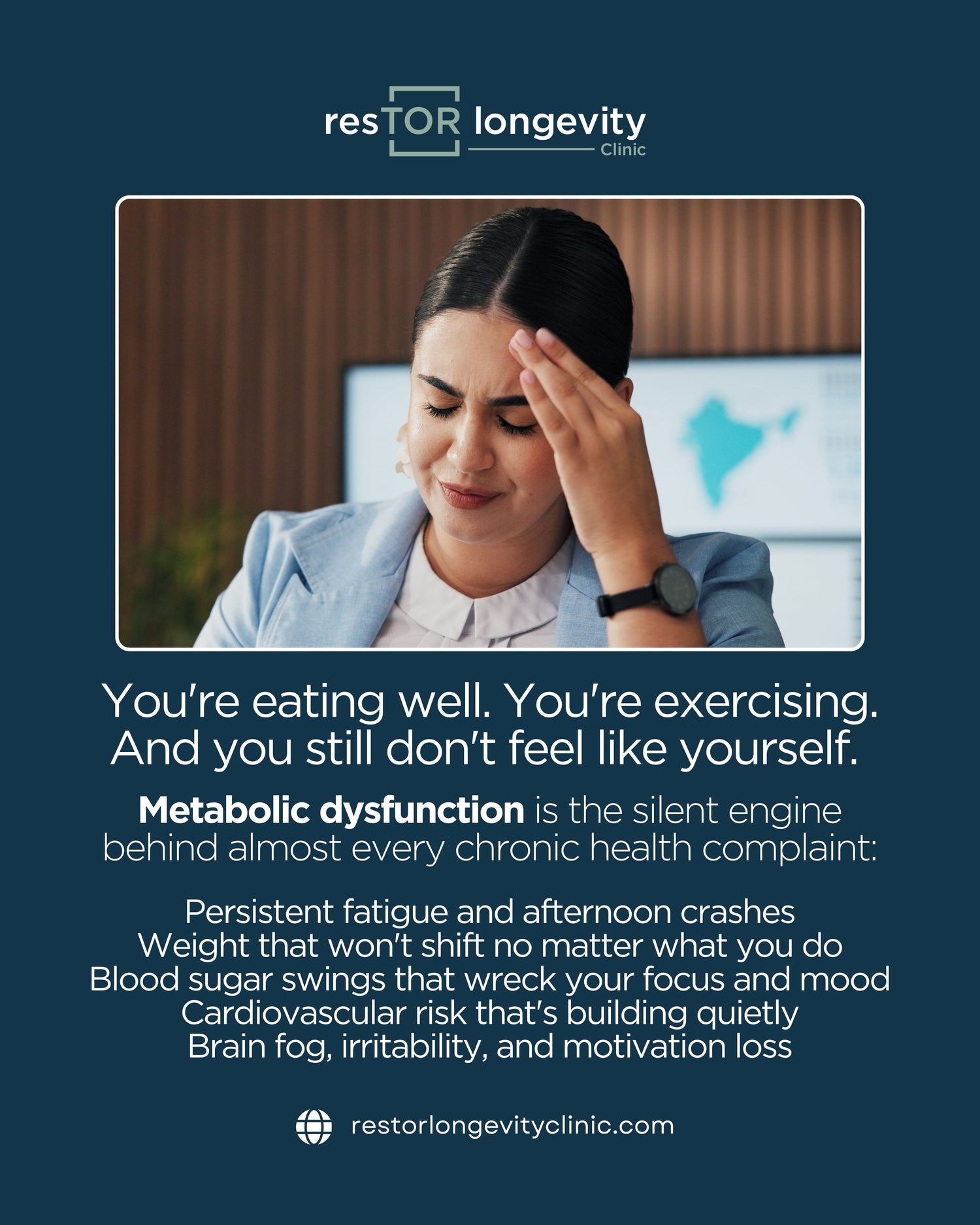
You may be eating well, exercising consistently, and making healthier choices, but still feel like something is off. Maybe your energy crashes, your weight feels harder to manage, or your focus, cravings, mood, and recovery are not where you want them to be.
When this happens, the answer is not always to push harder. Metabolism is more than calories in and calories out. It involves energy use, blood sugar response, muscle, hormones, inflammation, nutrient status, and daily function.
At resTOR Longevity Clinic, Houston, Texas Dr. Gregory Burzynski and the resTOR team help patients use better information to understand what their body may be signaling.
“Many people are doing a lot of the right things, but they still do not have the data they need,” says Dr. Gregory Burzynski. “Metabolic testing can help us see where the body may need more support.”
Why Can Metabolism Feel Different Over Time?
Metabolism can change for many reasons. Sleep quality, stress, hormone shifts, muscle mass, nutrient levels, insulin response, gut health, inflammation, medications, aging, and lifestyle patterns can all influence how the body feels and functions.
When these areas are not working well together, people may notice patterns such as:
- persistent fatigue or afternoon crashes
- weight gain or difficulty losing weight
- cravings or blood sugar swings
- brain fog, low motivation, or irritability
- slower workout recovery or reduced stamina
These symptoms do not always point to one simple cause. They can overlap, build gradually, and become easy to dismiss. Someone may think they just need to work harder, eat less, exercise more, or push through, when the real issue may be that the body needs a more specific plan.
This is where metabolic testing can be helpful. Instead of relying only on symptoms, body weight, or general recommendations, testing can provide a clearer look at what may be happening under the surface.
What Can Metabolic Testing Reveal?
Metabolic testing can help identify patterns that may not be obvious from the scale or basic lab work alone. At resTOR Longevity Clinic, testing may include tools such as:
RMR testing to measure resting metabolic rate and baseline energy needs
Continuous glucose monitoring to track how blood sugar responds to meals, stress, sleep, and exercise
Gut health and microbiome testing to better understand digestion, microbial balance, and inflammation patterns
Food sensitivity and micronutrient testing to look for possible immune triggers or nutrient gaps
DEXA body composition testing to measure fat mass, lean mass, and bone density
Each test looks at a different part of the metabolic picture. Together, they can help patients better understand how their body is using energy, responding to food, maintaining muscle, and supporting long-term health.
Why the Scale Does Not Tell the Whole Story
Many people use weight as the main sign of progress, but the scale is limited. It cannot show whether someone is gaining muscle, losing fat, retaining fluid, losing bone density, or experiencing changes in body composition.
This is especially important for longevity. Muscle mass supports strength, mobility, metabolic health, and independence over time. A person may not see a dramatic change on the scale but may still be improving body composition, glucose response, stamina, or energy.
The opposite can also happen. Someone may lose weight but also lose muscle if the plan is not properly structured. That can make long-term maintenance harder and may affect strength, metabolism, and recovery.
By combining body composition data with RMR, glucose trends, nutrient testing, gut health information, and other advanced assessments, the plan can become more specific. Patients can better understand what their body needs instead of following a generic approach.
Turning Metabolic Data Into a Practical Plan
Testing is only useful when the results are interpreted and applied in a meaningful way. The purpose is not to collect random numbers. It is to understand patterns and build a plan that fits the person.
For one patient, the next step may involve improving protein intake, strength training, and muscle preservation. For another, it may mean addressing blood sugar variability, nutrient deficiencies, sleep issues, gut health, or inflammation. Some patients may need hormone evaluation or cardiovascular risk assessment as part of the bigger picture.
This is where physician-led longevity care can help connect the dots. When metabolism, body composition, labs, symptoms, and lifestyle are reviewed together, the plan can become more targeted and realistic.
At resTOR Longevity Clinic, the focus is on helping patients understand what their body is showing now and what steps may support better health over time.
If you are eating well, exercising, and still not feeling like yourself, metabolic testing may help provide the clarity you have been missing. Schedule a longevity assessment with resTOR Longevity Clinic to take a deeper look at your metabolism, energy, body composition, and long-term wellness.
Published by resTOR Longevity Clinic | Dr. Gregory Burzynski | Serving Houston and Harris County, TX | (832) 968-7531.
Educational purposes only. Not medial advice.