Chronic Inflammation and Its Impact on Healthy Aging
Inflammation is not always harmful. It is a normal part of the immune system’s response to an injury, infection, or other threat. This short-term response helps protect the body and begin the healing process.
The concern begins when inflammation remains active longer than necessary. Chronic, low-grade inflammation may continue quietly without the swelling, redness, or pain commonly associated with an injury. Over time, it can place added stress on tissues and contribute to processes associated with aging and chronic disease. Researchers often use the term “inflammaging” to describe the connection between ongoing inflammation and age-related changes.
At resTOR Longevity Clinic in Houston, Dr. Gregory Burzynski and the resTOR team consider inflammation alongside metabolic health, cardiovascular risk, sleep, body composition, nutrition, and other longevity markers. Patients from Houston and nearby Katy may seek this broader evaluation when they want to better understand fatigue, slower recovery, brain fog, or changes in overall health.
What Is the Difference Between Acute and Chronic Inflammation?
Acute inflammation is usually temporary. It may occur after a cut, illness, strenuous workout, or other form of physical stress. The immune system responds, the body begins repairing the affected area, and the inflammatory response gradually settles.
Chronic inflammation is different because it may continue for months or years. It can be influenced by several factors, including ongoing health conditions, smoking, poor sleep, prolonged stress, excess body fat, limited physical activity, and certain dietary patterns.
Unlike an obvious injury, chronic inflammation may not cause one clear symptom. Some people may notice fatigue, difficulty concentrating, changes in recovery, or general discomfort, while others may feel well despite having elevated inflammatory markers.
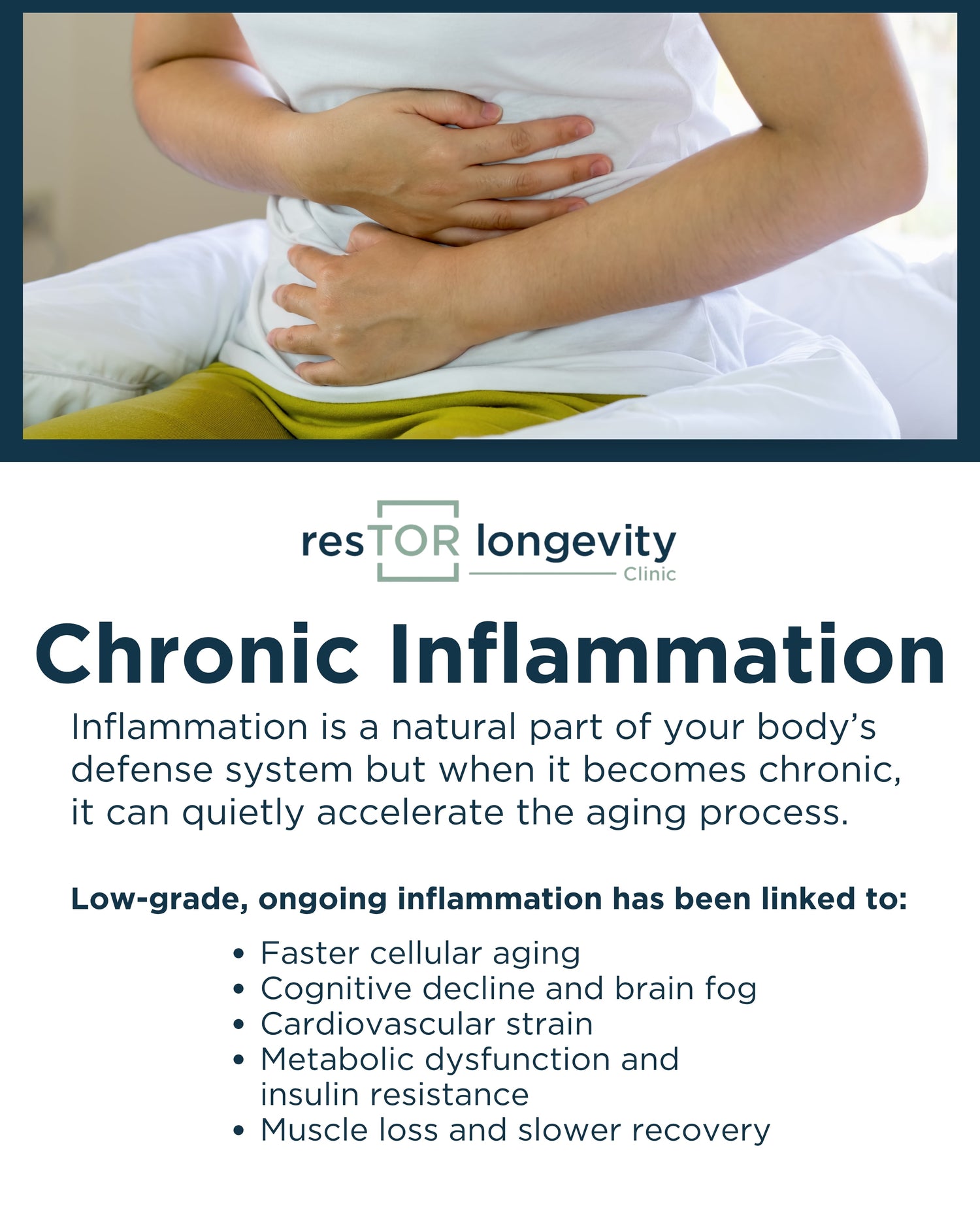
Ongoing inflammation has been associated with several areas of health, including:
• Cardiovascular and blood vessel health
• Insulin resistance and metabolic dysfunction
• Cognitive changes and brain health
• Muscle function, frailty, and physical decline
• The development or progression of age-related conditions
Inflammation does not automatically mean that a person has a specific disease. It is one part of a larger health picture and should be interpreted alongside symptoms, medical history, laboratory findings, and other risk factors.
How Can Chronic Inflammation Affect the Aging Process?
Aging involves gradual changes throughout the immune system, metabolism, blood vessels, muscles, and brain. Chronic inflammation may add to this burden by keeping parts of the immune response activated and exposing tissues to ongoing inflammatory signals.
Research has connected chronic low-grade inflammation with frailty, cardiovascular disease, metabolic concerns, cognitive decline, and reduced physical function.
Inflammation may also interact with other health concerns. For example, it can contribute to insulin resistance and may play a role in changes affecting blood pressure and blood vessels. These connections are one reason inflammation should not be viewed as an isolated issue.
“I usually explain inflammation as one piece of a much bigger puzzle. We want to understand what may be driving it and how it connects with sleep, metabolism, cardiovascular health, body composition, and the way someone feels day to day,” says Dr. Gregory Burzynski.
Lifestyle habits cannot control every source of inflammation, but they may help support a healthier immune response and reduce several common risk factors. Helpful habits may include:
• Eating a varied diet built around protein, vegetables, fruit, fiber, and healthy fats
• Moving regularly while allowing enough time for recovery
• Getting consistent, restorative sleep
• Managing stress through practical, repeatable routines
• Limiting smoking, excessive alcohol, and heavily processed foods
The goal is not to find one perfect anti-inflammatory food or supplement. A single product is unlikely to correct a complex issue that may involve sleep, metabolic health, stress, body composition, medications, and underlying medical conditions.
Looking Beyond One Inflammation Marker
Inflammation may be evaluated through certain laboratory markers, but one result does not explain everything. A temporary illness, injury, intense workout, or other short-term factor can sometimes affect results.
A more useful evaluation considers patterns over time. It may include a review of blood sugar regulation, cholesterol, blood pressure, body composition, sleep quality, activity level, medications, nutrition, family history, and symptoms.
This wider perspective can help determine whether an abnormal marker needs further evaluation or whether several areas of health may be contributing to the same concern. It can also help avoid making major decisions based on a single number without context.
Build a More Personalized Healthy Aging Strategy
Chronic inflammation can be difficult to recognize because it may develop without an obvious warning sign. Paying attention to metabolic health, cardiovascular risk, sleep, nutrition, movement, stress, and recovery can provide a clearer view of how the body is aging.
At resTOR Longevity Clinic, the focus is on identifying meaningful patterns and creating personalized strategies based on each patient’s history, testing, and long-term goals.
Contact resTOR in Houston for Personalized Longevity Care
Published by resTOR Longevity Clinic | Dr. Gregory Burzynski | Serving Houston and Harris County, TX | (832) 968-7531
Educational purposes only. Not medical advice.