Neuroplasticity: How Your Brain Adapts Throughout Life
Your brain is not fixed. It continues to respond to experiences, routines, challenges, and changes in your environment throughout life. This ability is known as neuroplasticity. It allows the brain to form new connections, strengthen existing pathways, and adjust how it processes information.
At resTOR Longevity Clinic in Houston, Dr. Gregory Burzynski and the resTOR team look at brain health as part of a broader longevity plan. Patients from Houston and nearby Spring may want to understand how sleep, movement, nutrition, stress, and daily habits can support cognitive function over time.
What Is Neuroplasticity and Why Does It Matter?
Neuroplasticity refers to the brain’s ability to reorganize and adapt. It plays an important role in learning, memory, skill development, and recovery after certain injuries. It also helps explain why repeated habits become easier and why new experiences can influence how the brain responds.
Every time you practice a skill, solve a problem, learn a route, or adjust to a new routine, your brain is responding. Some changes are temporary, while others become stronger through repetition.
Neuroplasticity does not mean the brain can overcome every condition or reverse every age-related change. Genetics, health history, vascular health, medications, and sleep quality still matter. However, the brain may remain more responsive than many people realize, especially when it is regularly challenged and supported.
Habits That Encourage Brain Adaptation
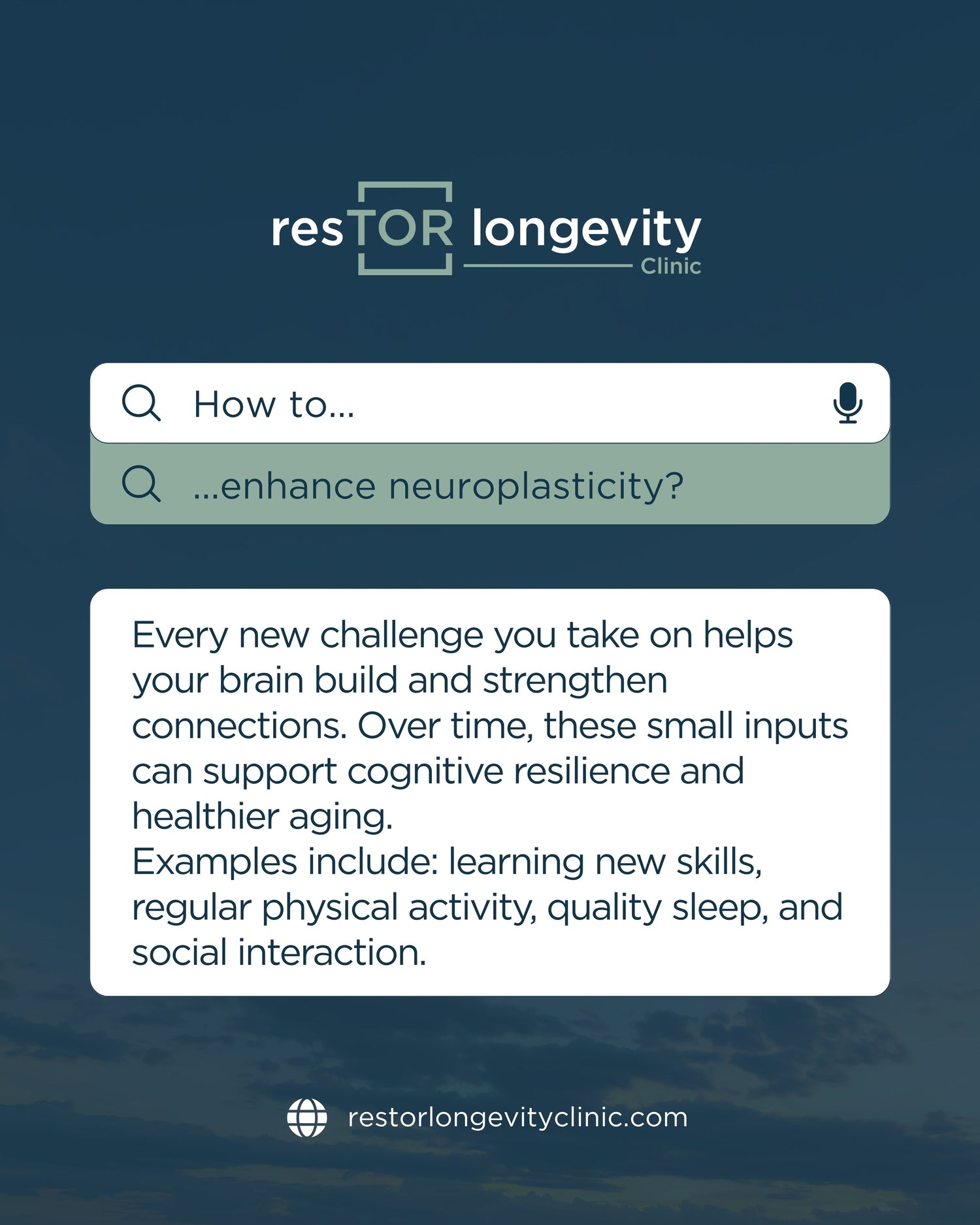
A brain-supportive routine does not need to be complicated. Activities requiring attention, coordination, problem-solving, or practice can encourage the brain to use and strengthen different pathways.
Helpful habits may include:
• Learning a language, instrument, hobby, or professional skill
• Changing familiar routines or trying a new form of movement
• Reading, writing, puzzles, or mentally challenging games
• Spending time in meaningful conversation and social settings
• Practicing mindfulness or focused breathing
The key is active engagement. Passive activities may feel relaxing, but the brain often benefits most when it has to pay attention, make decisions, and adapt.
“I tell patients that supporting the brain does not have to mean doing something extreme. Choosing one new challenge and practicing it consistently can be more useful than trying to change everything at once,” says Dr. Gregory Burzynski.
How Do Sleep, Exercise, and Nutrition Support Neuroplasticity?
The brain needs supportive conditions to adapt well. Sleep, physical activity, and nutrition contribute to processes involved in memory, recovery, circulation, and brain cell function.
Sleep gives the brain time to organize information, reinforce learning, and recover from the day. Poor or inconsistent sleep can make concentration, memory, mood, and decision-making more difficult.
Physical activity supports circulation while exposing the brain to different movement patterns. Walking, strength training, balance exercises, dancing, and other activities may challenge both the body and nervous system.
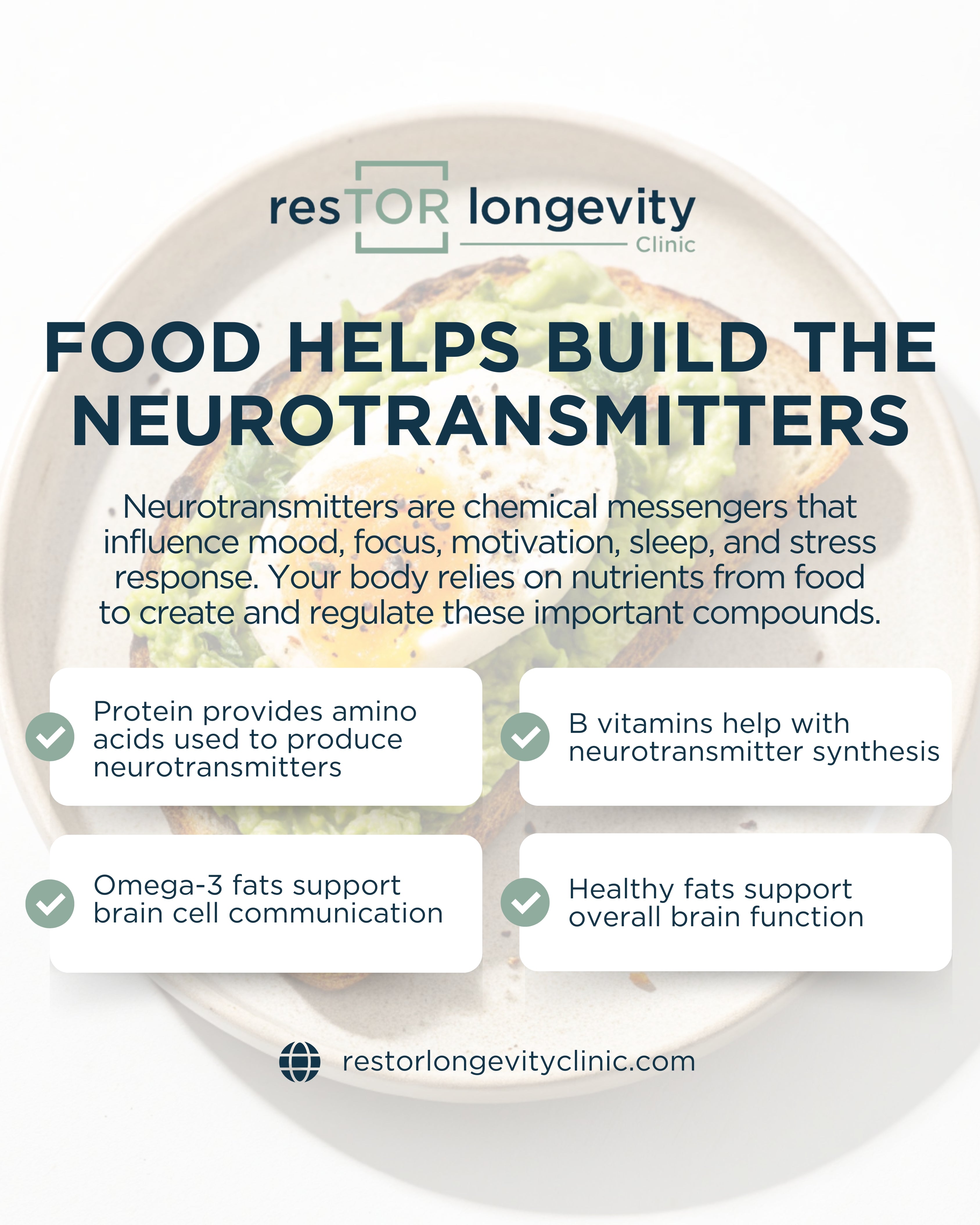
Nutrition provides raw materials involved in energy production, cell structure, and chemical signaling. A balanced eating pattern may include:
• Adequate protein and amino acids
• Omega-3 fats from foods such as fatty fish
• B vitamins from a varied, nutrient-dense diet
• Colorful fruits and vegetables
• Enough fluids to support hydration
No single food, supplement, or workout creates neuroplasticity on its own. These habits work together and are generally most helpful when practiced consistently.
Stress, Social Connection, and Cognitive Resilience
Ongoing stress can affect sleep, focus, motivation, and memory. The goal is not to eliminate all stress, but to develop habits that help the body recover. Mindfulness, breathing exercises, time outdoors, creative activities, and scheduled breaks may help reduce daily strain.
Social interaction also gives the brain meaningful stimulation. Conversation requires attention, memory, emotional awareness, and quick responses. Strong social connections may support motivation and emotional well-being, making it easier to remain active and engaged.
An evaluation at resTOR Longevity Clinic may be helpful when someone notices persistent brain fog, reduced focus, sleep changes, fatigue, or changes in cognitive performance. These symptoms can have several possible causes and should not automatically be attributed to aging.
Building Brain Health Into Daily Life
Supporting neuroplasticity is less about finding one perfect activity and more about building a routine that keeps the brain engaged while supporting the rest of the body. A new hobby, regular exercise, quality sleep, balanced nutrition, stress management, and meaningful social interaction can all play a part.
At resTOR Longevity Clinic, brain health may be reviewed alongside metabolism, cardiovascular fitness, body composition, sleep, laboratory findings, and personal health history. This broader view can help identify factors that may be affecting focus, energy, memory, or long-term cognitive resilience.
Contact resTOR Longevity Clinic in Houston to learn more about personalized strategies for brain health, healthy aging, and long-term vitality.
Book Your Assessment Today
Published by resTOR Longevity Clinic | Dr. Gregory Burzynski | Serving Houston and Harris County, TX | (832) 968-7531
Educational purposes only. Not medical advice.