Morning Habits That Support Your Circadian Rhythm in Houston, TX
The way you begin your morning can influence more than your mood for the next few hours. Morning light, movement, meals, and daily routines provide signals that help your body understand when it is time to feel awake, active, and alert.
These signals help regulate your circadian rhythm, the internal timing system that influences sleep, energy, hormone release, metabolism, body temperature, and other biological processes. When your daily habits remain relatively consistent, it may be easier for your body to maintain a predictable sleep-wake cycle.
At resTOR Longevity Clinic in Houston, we look at sleep and energy as part of a much broader picture. Difficulty waking up, afternoon fatigue, restless sleep, and inconsistent energy may involve daily routines, stress, environmental light, nutrition, medical concerns, or a combination of factors.
What Does Your Circadian Rhythm Control?
Your circadian rhythm follows an approximately 24-hour cycle and responds to environmental cues. Light is one of the strongest signals, but meal timing, physical activity, social routines, and sleep schedules can also influence the body’s daily timing.
Morning light generally supports an earlier sleep-wake pattern, while substantial evening light exposure may push sleep timing later. This is one reason spending the morning in a dim room and the evening under bright lights can make it harder for some people to feel alert early and sleepy at night.
A circadian rhythm that is regularly disrupted does not always cause an obvious problem right away. Instead, a person may gradually notice that mornings feel more difficult, sleep becomes less refreshing, or energy rises and falls at inconvenient times.
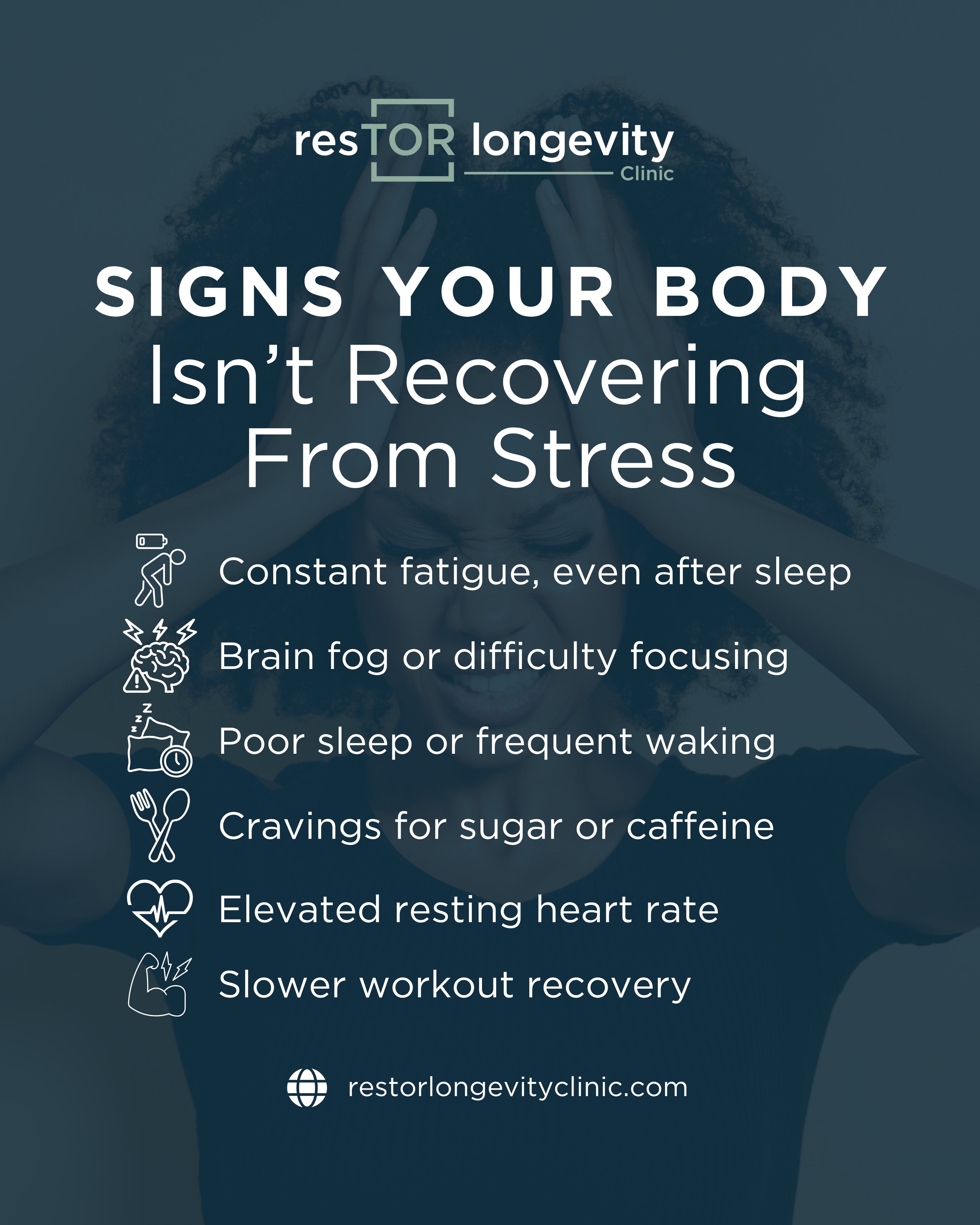
Common experiences associated with an inconsistent routine may include:
• Difficulty feeling awake in the morning
• Low energy or reduced focus during the day
• Trouble becoming sleepy at a consistent time
• Frequent dependence on caffeine to stay alert
• Changes in appetite or late-night cravings
These experiences are not specific to circadian disruption. Fatigue and poor sleep can also be connected to sleep apnea, hormone changes, nutrient deficiencies, stress, medication effects, metabolic concerns, and other health conditions.
“I tell patients that the goal is not to create a perfect morning. It is to give the body a few dependable signals it can recognize every day.” - Dr. Greg Burzynski
Which Morning Habits Can Support Your Internal Clock?
A helpful morning routine does not need to be complicated or highly restrictive. In many cases, the most useful habits are the ones that can be repeated consistently, including on busy workdays.
Start with natural light when possible. Opening the blinds is a beginning, but going outdoors typically provides much brighter light than remaining inside. A few minutes on the patio, walking the dog, or taking a short walk may help signal that the active portion of the day has begun.
Morning light exposure has been shown to influence circadian timing and may support earlier sleep and wake patterns. The timing, intensity, and duration of light all matter, so individual responses may vary.
Hydration can also be part of a steady morning routine. Water does not directly reset the circadian clock in the same way that light does, but drinking water after waking can support normal hydration before coffee, exercise, or a busy day.
Light physical activity provides another useful daytime signal. This does not have to mean an intense workout immediately after waking. Gentle stretching, mobility exercises, walking, or a few minutes of movement may help reduce morning stiffness and create a smoother transition into the day.
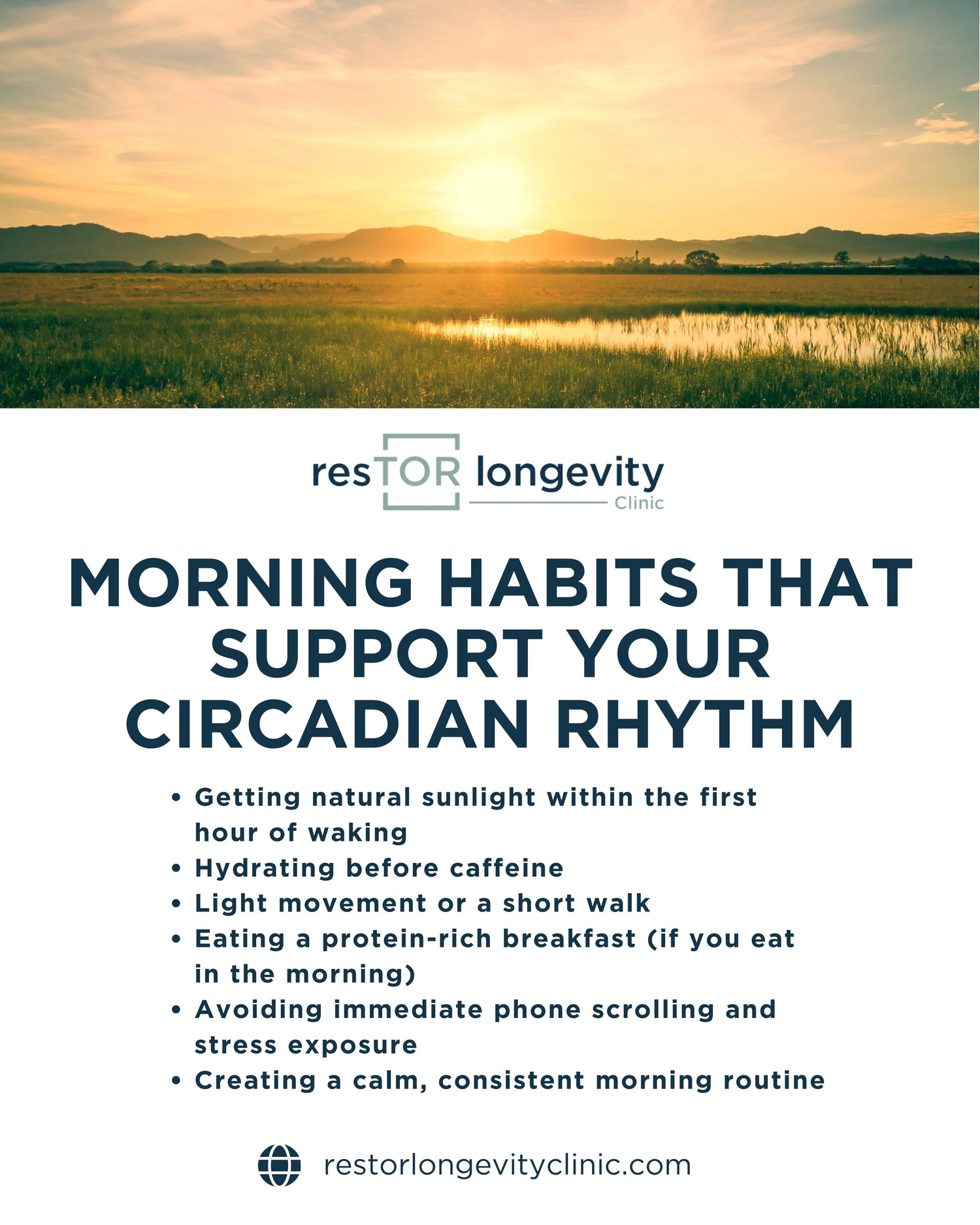
A practical routine may include:
• Waking at a reasonably consistent time
• Getting outdoor light soon after waking
• Drinking water before or alongside morning caffeine
• Adding light movement or a short walk
• Eating a balanced breakfast when it fits your needs
Breakfast is not required for every person, but those who eat in the morning may benefit from including protein, fiber, and nutrient-dense foods rather than relying only on sugar or refined carbohydrates. Individual nutrition needs can vary based on health goals, medications, activity levels, and metabolic health.
It may also help to avoid beginning the day with immediate stress exposure. Reaching for messages, news, or social media before getting out of bed can quickly shift the mind into a reactive state. Creating even a brief buffer for light, water, movement, or quiet preparation may make the morning feel more intentional.
Consistency Matters More Than a Perfect Routine
Your morning routine should support your life rather than become another source of pressure. Sleeping late once, missing a walk, or checking your phone early does not erase your progress.
The larger pattern matters more. Try choosing two or three habits that feel realistic and repeating them most days. A consistent wake time and morning light exposure may provide a stronger foundation than an elaborate routine that only lasts for a week.
Evening habits still matter as well. Bright light, late caffeine, inconsistent bedtimes, and stimulating activities close to bedtime may work against the signals you established earlier in the day. Research has found that caffeine consumed near bedtime can delay circadian timing in addition to interfering with sleep.
If fatigue, insomnia, early waking, or daytime sleepiness continues despite improving your routine, it may be time to look beyond lifestyle habits. A medical evaluation can help determine whether sleep quality, breathing, hormones, metabolic health, medications, stress, or another concern may be contributing.
Build a Morning Routine Around Your Biology
Small morning habits can provide useful signals for daytime alertness and nighttime sleep. Natural light, hydration, movement, nourishing food, and a consistent schedule can become part of a broader strategy for supporting energy, performance, and healthy aging.
At resTOR Longevity Clinic, we take a personalized approach to understanding how sleep, daily habits, metabolic health, hormones, and other biological factors may be affecting how you feel.
Book a Consult to Explore a Longevity Plan
Published by resTOR Longevity Clinic | Dr. Gregory Burzynski | Serving Houston and Harris County, TX | (832) 968-7531
Educational purposes only. Not medical advice.