Longevity Medicine in 2026: How Science Is Redefining Healthy Aging
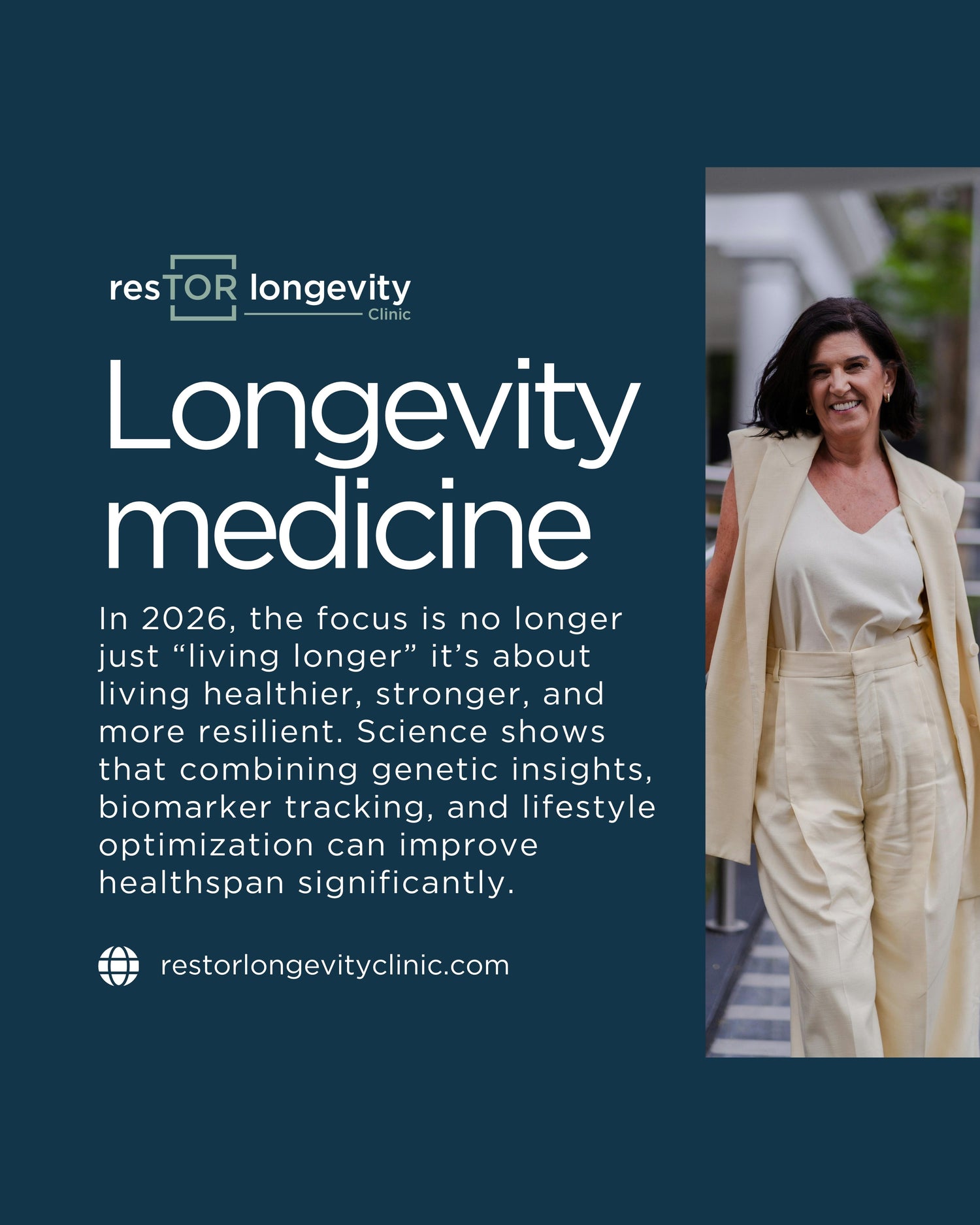
Longevity medicine is evolving rapidly, and in 2026 the focus has shifted beyond simply living longer. The real goal today is living better—maintaining strength, mental clarity, and resilience as the body ages. Advances in medical science now allow longevity care to be proactive, personalized, and measurable.
At resTOR Longevity Clinic in Houston, Texas, longevity medicine is guided by data, not guesswork. By combining genetic insights, biomarker tracking, and lifestyle optimization, modern care strategies are helping adults improve healthspan—the years of life spent feeling well, capable, and energized.
What Is Longevity Medicine in 2026?
Longevity medicine in 2026 focuses on identifying early biological changes that affect aging and addressing them before they become chronic health issues. Instead of waiting for symptoms to appear, this approach evaluates how the body is functioning at a cellular and metabolic level.
Care plans are built around individualized data, allowing providers to tailor nutrition, movement, hormone support, and recovery strategies. The result is more consistent energy, better sleep quality, improved mental focus, and long-term disease risk reduction.
How Is Longevity Medicine Different From Traditional Healthcare?
Traditional healthcare often reacts to illness. Longevity medicine is proactive and preventative, aiming to optimize how the body performs over time.
Key differences include:
- Personalized diagnostics that assess hormones, metabolism, inflammation, and nutrient status
- Ongoing monitoring to track changes and adjust care plans as the body responds
- Focus on healthspan, not just lifespan
- Lifestyle integration that supports sustainable, real-world habits
This shift allows adults to take control of their health earlier, rather than managing decline later.
Key Longevity Trends Shaping 2026
At resTOR Longevity Clinic, longevity care is guided by evidence-based strategies that reflect how the body actually ages. These science-backed trends are shaping how adults optimize healthspan under the general clinical guidance of Dr. Gregory Burzynski.
Personalized Nutrition Based on Metabolism and Genetics
Nutrition is no longer one-size-fits-all. Metabolic testing and genetic tendencies help determine optimal macronutrient balance, fueling muscle maintenance, energy production, and metabolic health.
Continuous Biomarker Monitoring Using Wearables
Wearable technology provides insight into sleep patterns, stress levels, recovery, and cardiovascular markers. These data points help fine-tune daily habits and prevent overtraining or burnout.
Targeted Hormone Optimization
Hormonal balance plays a critical role in energy, mood, sleep, and mental clarity. Individualized hormone support helps restore balance safely and sustainably as the body ages.
Microbiome-Based Interventions
Gut health directly affects inflammation, immunity, and even cognitive function. Supporting the microbiome can improve digestion, immune resilience, and overall vitality.
How Longevity Medicine Turns Data Into Daily Action
Modern longevity medicine transforms health data into practical, everyday guidance. Lab results, wearable metrics, and ongoing assessments help shape how patients eat, move, recover, and manage stress in ways that fit real life.
Trends in blood sugar, inflammation, sleep quality, and recovery inform adjustments to nutrition timing, exercise intensity, and daily routines. Hormone and metabolic markers indicate when the body needs added support or when current strategies are working effectively. These small, informed changes build over time, leading to better energy, focus, and physical resilience.
By clearly linking lifestyle choices to measurable health markers, this data-driven approach removes guesswork and builds accountability, helping patients stay consistent and confident in their long-term wellness decisions.
Why Hormones and Biomarkers Matter More With Age
As adults age, subtle changes in hormones and biomarkers can significantly impact how they feel day to day. Fatigue, poor sleep, weight changes, and brain fog are often signs of internal imbalance rather than “normal aging.”
By tracking these markers over time, longevity medicine creates a clear picture of what the body needs. Adjustments can be made early, helping patients maintain physical strength, sharper focus, and emotional wellbeing.
As Dr. Gregory Burzynski often tells patients during casual conversations at the clinic, “We’re not chasing perfection—we’re helping your body work the way it’s meant to, so you can feel strong and clear-headed again.”
A Smarter, Measurable Approach to Aging Well
Longevity medicine in 2026 is built on actionable science, individualized insight, and measurable progress. By combining advanced diagnostics with targeted lifestyle strategies, adults can address underlying imbalances, improve daily function, and reduce long-term health risks with clarity and confidence.
Rather than relying on assumptions, this approach allows patients to monitor real changes over time and adjust proactively—supporting strength, cognitive health, and overall resilience as they age.
Start Prioritizing Your Healthspan Today
Taking a proactive approach to longevity means understanding your body before problems arise. Personalized care helps identify opportunities for optimization and creates a clear roadmap for sustaining energy, focus, and physical wellbeing.
Book your appointment with resTOR Longevity Clinic in Houston to begin a data-driven, personalized plan designed to support long-term vitality and healthier aging.