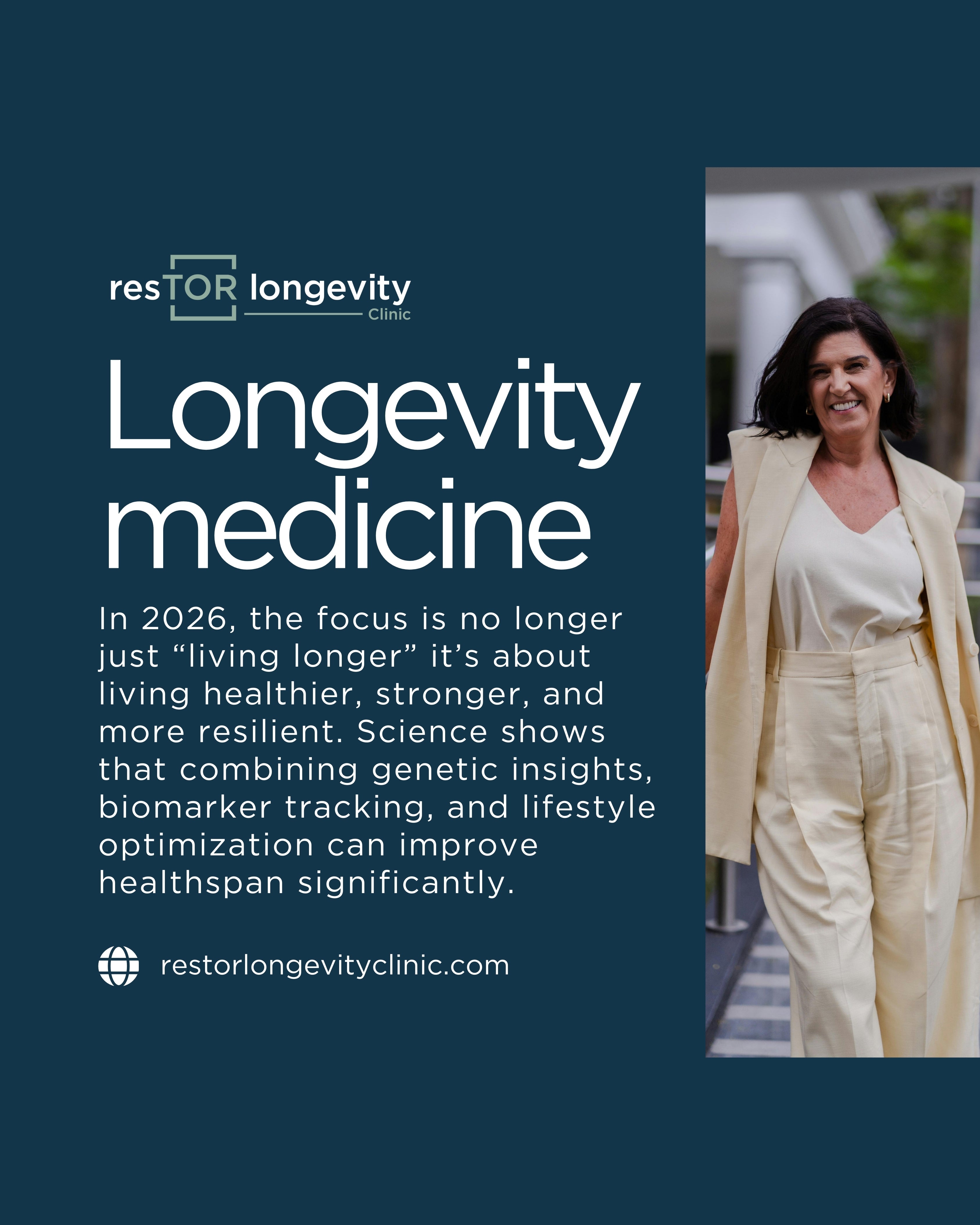
Longevity medicine is entering a new era—one that focuses less on reacting to disease and more on optimizing how the body functions every day. In 2026, research continues to show that lifestyle factors such as sleep timing, nutrition, movement, stress management, and targeted supplementation can influence cellular repair, metabolic efficiency, and even gene expression.
For the average adult, this means longevity is no longer about extreme interventions or complicated routines. It’s about using science to make smarter, more intentional choices that support energy, resilience, and long-term health.
At resTOR Longevity Clinic, longevity medicine blends advanced diagnostics with practical lifestyle strategies to help adults in Houston, Texas improve healthspan—the years of life spent feeling strong, focused, and well.
How Do Lifestyle Choices Influence Aging at the Cellular Level?
Aging begins at the cellular level, long before noticeable symptoms appear. Over time, cells lose efficiency in repairing damage, producing energy, and responding to stress. Lifestyle habits play a significant role in either accelerating or slowing these biological changes.
Research shows that consistent sleep timing, nutrient intake, regular movement, and effective stress management can support mitochondrial function, hormone balance, and inflammation control. These factors directly affect how efficiently cells regenerate and how well the body adapts to daily physical and mental demands. Longevity medicine focuses on aligning these habits with each individual’s biology rather than relying on generalized health advice.
Can Nutrition Timing and Recovery Strategies Improve Metabolic Efficiency?
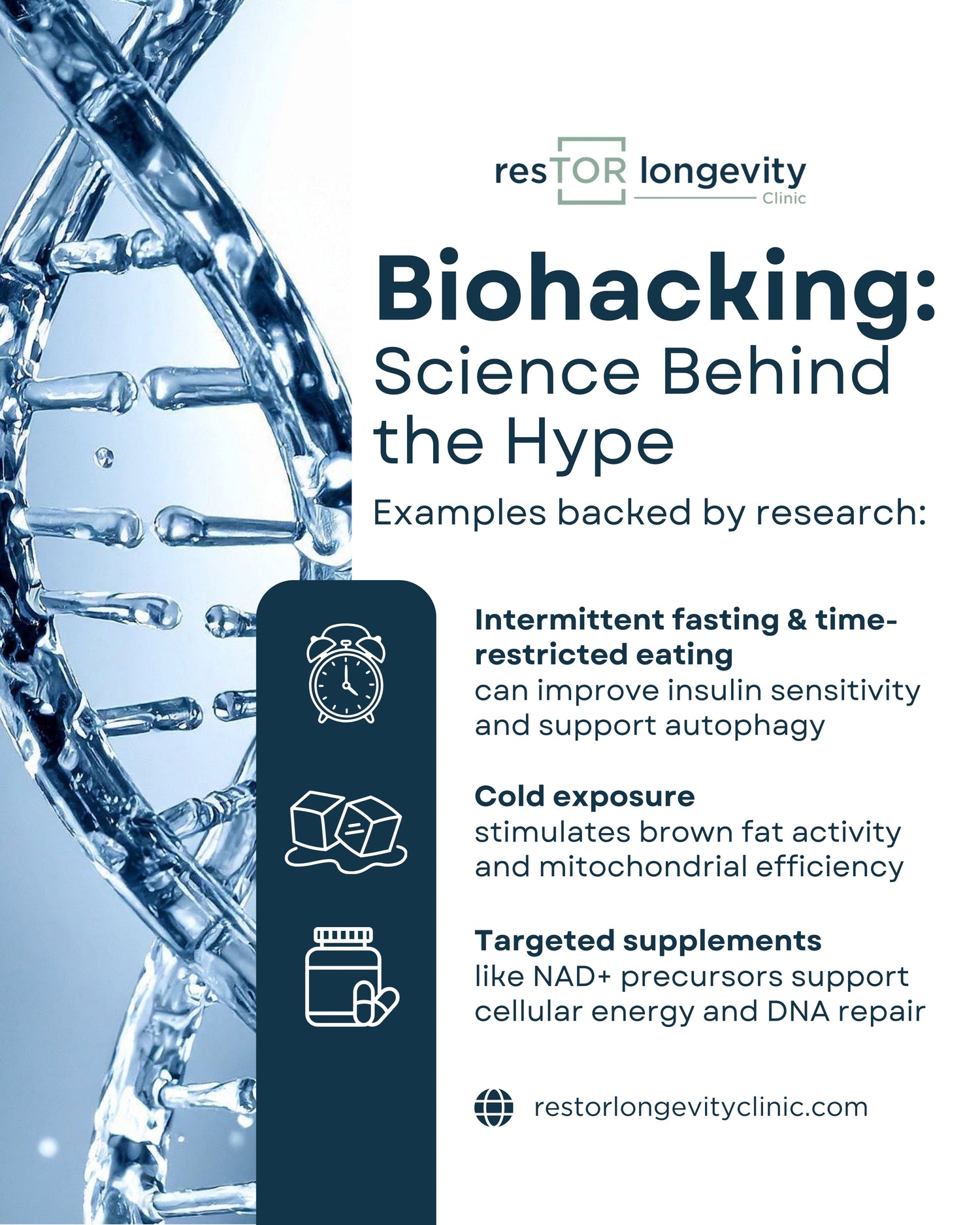
Yes—nutrition timing and recovery play a critical role in metabolic health and cellular efficiency. Longevity research highlights the benefits of intermittent fasting and time-restricted eating for improving insulin sensitivity, reducing metabolic strain, and supporting cellular cleanup processes such as autophagy.
When personalized to an individual’s metabolic profile, these strategies can:
- Improve blood sugar regulation
- Reduce chronic metabolic stress
- Enhance cellular repair mechanisms
Movement remains essential for longevity, but balance is key. Exercise supports muscle preservation, cardiovascular health, and metabolic function, while recovery allows the body to adapt. Chronic stress—physical or emotional—can disrupt sleep, elevate cortisol, and increase inflammation, ultimately impairing cellular repair.
As Dr. Gregory Burzynski often explains to patients, “We’re not trying to push your body harder—we’re trying to help it recover better so it can stay strong over time.”
Exercise, Stress, and Adaptive Resilience
Movement remains a cornerstone of longevity, but the focus has shifted toward balance. Exercise supports muscle preservation, cardiovascular health, and insulin sensitivity, but recovery is equally important.
Stress—whether physical or emotional—has a direct impact on aging. Chronic stress elevates cortisol, disrupts sleep, and increases inflammation, all of which can impair cellular repair. Longevity medicine emphasizes strategies that help the nervous system recover, such as breathwork, sleep optimization, and structured rest.
Cold Exposure and Mitochondrial Health
Cold exposure is another area of growing interest in longevity research. Short, controlled exposure to cold has been shown to stimulate brown fat activity and improve mitochondrial efficiency—the process by which cells generate energy.
Potential benefits include improved metabolic function, enhanced circulation, and increased resilience to stress. When used appropriately and safely, cold exposure can complement other lifestyle strategies without becoming extreme or disruptive.
Targeted Supplementation for Cellular Support
Supplements are most effective when used strategically. Research-backed compounds such as NAD+ precursors are being studied for their role in supporting cellular energy production and DNA repair.
In longevity medicine, supplements are not used as a replacement for healthy habits but as targeted support where the body shows increased demand. Lab testing helps identify nutrient gaps, oxidative stress, or metabolic inefficiencies, allowing supplementation to be purposeful rather than excessive.
Personalized Longevity Care, Not Guesswork
What sets modern longevity medicine apart is personalization. No two individuals age the same way, and effective care reflects that reality. By combining lifestyle science with biomarker tracking, adults gain clarity about what their body needs now—and how those needs may change over time.
This approach empowers patients to make informed decisions, adjust strategies as their data evolves, and maintain consistency without confusion.
A Practical Path to Healthspan
Longevity medicine in 2026 is not about chasing trends. It’s about applying proven science to daily life in a way that supports long-term vitality. When sleep, nutrition, movement, stress management, and supplementation are aligned with individual biology, aging becomes something to manage proactively—not fear.