Liver Health and Whole-Body Wellness
Your liver does a lot more than most people realize. It helps filter toxins, supports digestion, processes nutrients, regulates metabolism, stores energy, and plays a role in hormone balance. When the liver is under stress, the effects may show up in different ways, including low energy, sluggish digestion, inflammation, weight changes, poor recovery, or changes in lab markers.
At resTOR Longevity Clinic in Houston, Texas, Dr. Gregory Burzynski and the resTOR team look at liver health as part of a broader longevity picture. The goal is not to chase quick detox trends or one-size-fits-all wellness advice. The goal is to better understand how the body is functioning and what kind of support may help improve long-term health.
Conveniently located in Houston with easy access for patients traveling from The Woodlands and River Oaks, resTOR Longevity Clinic offers personalized wellness guidance that may include nutrition, movement, hydration, alcohol intake, metabolic health, inflammation, hormones, and comprehensive lab testing.
Why Does Liver Health Matter for Longevity?
Your liver is one of the body’s hardest-working organs. It helps process what you eat, drink, absorb, and store. It also supports blood sugar regulation, cholesterol balance, digestion, and the breakdown of certain hormones and medications. Because the liver is involved in so many systems, liver stress can affect more than digestion alone.
Liver health matters for longevity because metabolic health and inflammation are closely connected to how the body ages. When the liver is overloaded by excess alcohol, highly processed foods, too much added sugar, poor sleep, inactivity, or underlying metabolic issues, it may become harder for the body to maintain steady energy and healthy function.
Some liver concerns may develop quietly. A person can feel mostly normal while lab markers begin shifting in the wrong direction. That is why regular check-ups and advanced lab testing can be helpful. Testing may reveal patterns related to liver enzymes, blood sugar, insulin resistance, cholesterol, inflammation, and nutrient status before symptoms become obvious.
“Liver support does not have to be complicated,” says Dr. Gregory Burzynski. “For many patients, the most useful changes start with everyday habits like how they eat, move, sleep, hydrate, and monitor their health over time.”
Daily Habits That Support Your Liver
Supporting liver health does not have to mean following extreme cleanses. In many cases, the most helpful changes are the ones that reduce strain on the liver and support metabolism consistently.
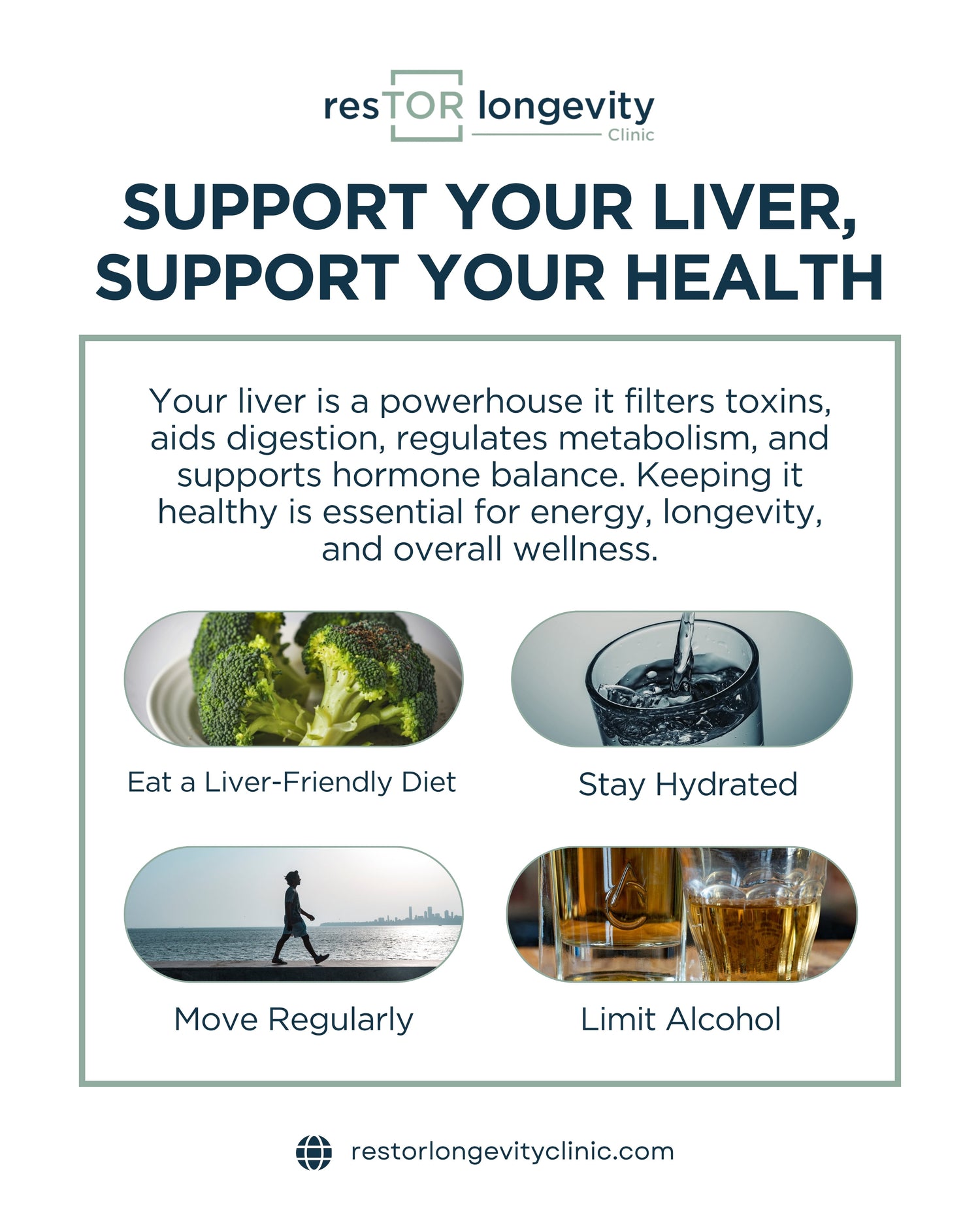
A liver-friendly diet can include leafy greens, cruciferous vegetables such as broccoli and cauliflower, berries, lean protein, healthy fats, and fiber-rich foods. These foods help support digestion, antioxidant activity, and steady nutrition without relying heavily on processed ingredients.
Hydration also matters. Water supports digestion, circulation, and the body’s natural elimination processes. While hydration alone does not “flush” every health concern away, getting enough fluids can help the body function more efficiently.
Movement is another important part of liver support. Regular exercise helps support metabolism, insulin sensitivity, body composition, and healthy weight management. Even simple daily movement can make a difference when it is consistent.
Reducing Liver Stress Over Time
Limiting added strain on the liver is just as important as adding supportive habits. Excess alcohol, added sugar, refined carbohydrates, fried foods, and highly processed snacks can all work against metabolic health. For many people, reducing these patterns gradually is more realistic than trying to change everything at once.
Supportive nutrients may also play a role, depending on the person. Nutrients and compounds such as antioxidants, turmeric, and milk thistle are often discussed in liver wellness, but supplements should be considered carefully. What is helpful for one person may not be appropriate for another, especially when medications, medical history, or existing liver concerns are involved.
How Can Testing Help Identify Hidden Liver Stress?
Testing can help identify hidden liver stress by showing patterns that may not be obvious from symptoms alone. Standard lab work may include liver enzymes, cholesterol, blood sugar, and other markers. More advanced testing may provide additional context about inflammation, hormones, nutrient levels, insulin resistance, and metabolic function.
At resTOR Longevity Clinic, Dr. Gregory Burzynski and the resTOR team use personalized, physician-led guidance to help patients connect the dots. If someone is feeling tired, inflamed, bloated, sluggish, or stuck in their wellness progress, liver and metabolic markers may be part of the conversation.
The value of testing is not just collecting numbers. The value comes from understanding what those numbers mean and how they fit into the patient’s overall health picture. From there, the plan may include nutrition changes, movement goals, supplement guidance when appropriate, sleep support, hormone evaluation, or follow-up monitoring.
A Smarter Approach to Liver Support
Liver health is not about a quick reset. It is about building habits and awareness that support the body over time. When nutrition, hydration, movement, sleep, and testing work together, patients can make more informed choices for energy, metabolism, hormone balance, and long-term wellness.
At resTOR Longevity Clinic in Houston, Texas, Dr. Gregory Burzynski and the resTOR team help patients take a closer look at the factors that influence health from the inside out. To better understand your liver health, metabolic patterns, and longevity goals, contact us for a consultation with resTOR Longevity Clinic.
Schedule Your Appointment Online
Published by resTOR Longevity Clinic | Dr. Gregory Burzynski | Serving Houston and Harris County, TX | (832) 968-7531
Educational purposes only. Not medical advice.