
A Smarter Way to Look at Your Health
Your health deserves more than a quick visit and a rushed conversation. It deserves a clear plan. Fatigue, slower recovery, weight changes, brain fog, poor sleep, hormone shifts, and reduced performance can all feel frustrating, especially when basic advice does not explain the full picture.
At resTOR Longevity Clinic in Houston, Texas, Dr. Gregory Burzynski and the resTOR team focus on proactive, individualized medicine that helps patients better understand how their bodies are functioning now and how to support healthier aging over time. With meaningful health data, physician-led insight, and ongoing tracking, patients can move forward with more clarity instead of guesswork.
Conveniently located in Houston with easy access for patients traveling from Memorial and Missouri City, resTOR Longevity Clinic helps adults take a deeper look at energy, metabolism, hormones, body composition, inflammation, recovery, and long-term wellness.
Why Does a Longevity-Focused Plan Matter?
A longevity-focused plan matters because health is not always simple or obvious. Two people can have the same symptom but completely different reasons behind it. One person may feel exhausted because of poor sleep and stress. Another may be dealing with hormone changes, nutrient deficiencies, inflammation, blood sugar issues, or metabolic concerns. Without testing and proper evaluation, it is easy to guess.
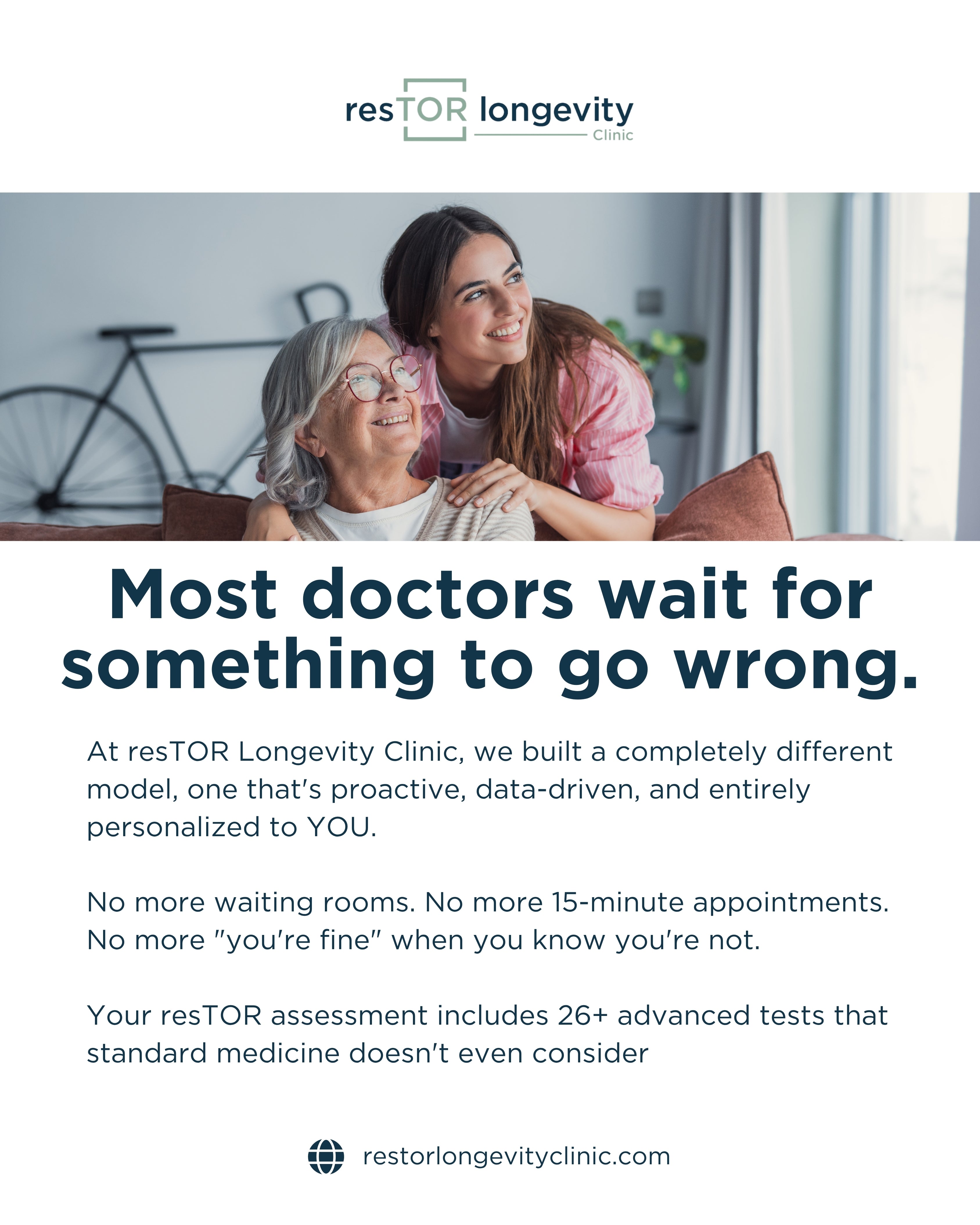
Traditional care often focuses on treating problems once they are already disruptive. Proactive longevity care looks earlier. It asks better questions about patterns, risk factors, lifestyle, labs, and performance over time. This can help patients understand what may be changing before symptoms become harder to manage.
A more complete evaluation may look at:
- Comprehensive lab testing to evaluate key health markers
- Hormone patterns that may affect energy, sleep, and recovery
- Metabolic health, including blood sugar and insulin response
- Inflammation markers that may influence how the body feels and heals
- Body composition, muscle health, and visceral fat
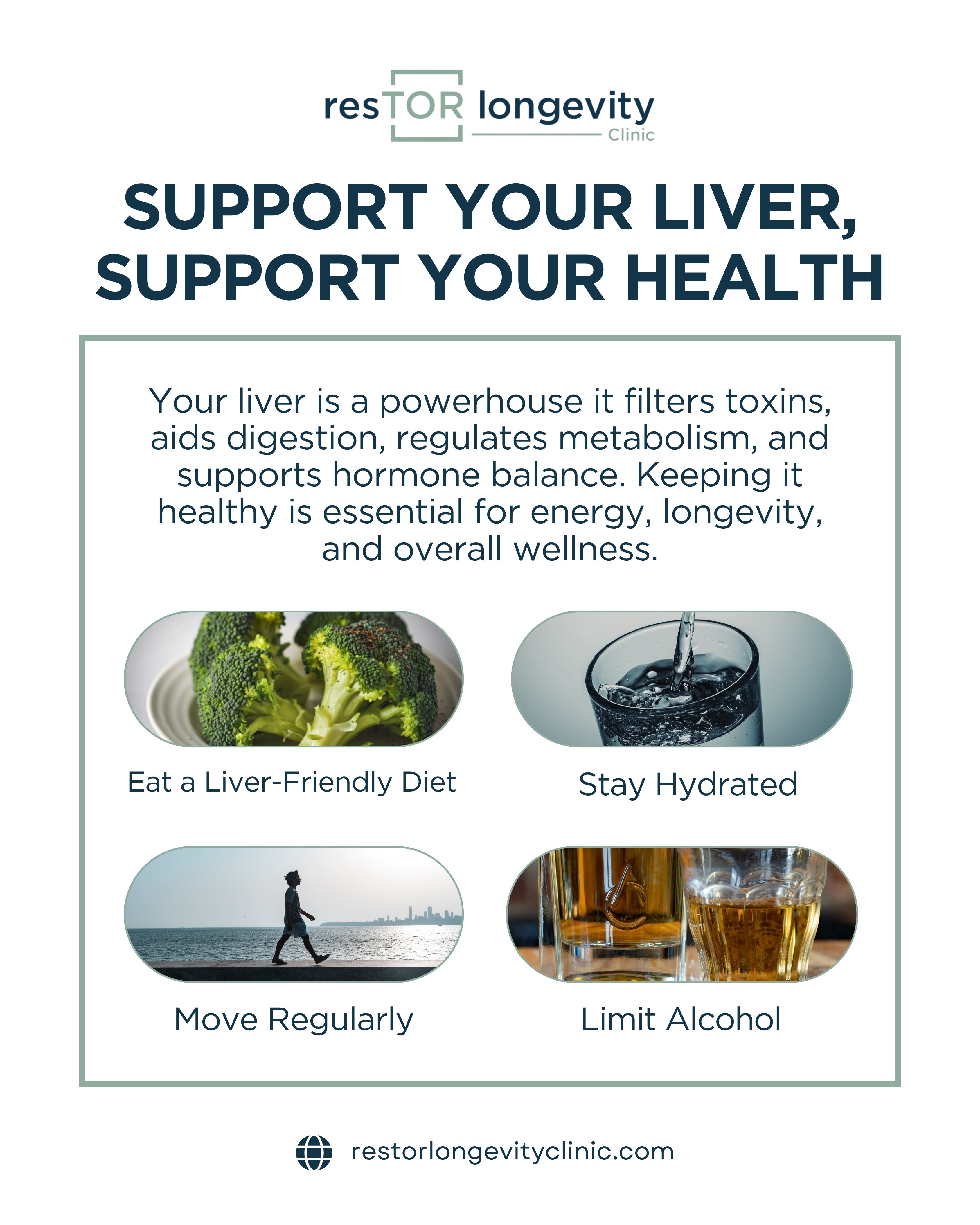
- Nutrition, hydration, movement, stress, and sleep habits
This type of approach can be especially helpful for people who feel like they are doing “all the right things” but still are not seeing progress. If workouts are not producing results, energy keeps dropping, sleep stays inconsistent, or weight changes feel harder to control, deeper health information may help explain what is happening.
“Most people do not need more random wellness advice thrown at them,” says Dr. Gregory Burzynski. “They need a clearer picture of what is actually going on in their body so the plan makes sense for them.”
Data-Driven Care for Energy, Performance, and Aging
Data-driven care is not about making health feel complicated. It is about giving patients better direction. When lab results, symptoms, lifestyle habits, and progress markers are reviewed together, the care plan can become more specific and useful.
For example, changes in blood sugar, insulin sensitivity, inflammation, hormones, or body composition may help explain low energy, poor sleep, reduced recovery, weight changes, or stalled progress. From there, the next steps may include nutrition, movement, metabolic support, hormone evaluation, strength training, protein goals, or follow-up tracking.
The value is in connecting the dots. A single number rarely tells the whole story, but a broader view can help patients understand what may be influencing how they feel. At resTOR Longevity Clinic, physician-led care may include evaluation, testing, education, tailored recommendations, and ongoing monitoring because health changes with age, stress, sleep, activity, hormones, and lifestyle.
What Makes a Health Plan More Strategic?
A health plan becomes more strategic when it is built around the individual instead of a trend. Many people try popular diets, supplements, workouts, or wellness routines without knowing whether those choices match their actual needs. Sometimes those habits help. Sometimes they miss the real issue.
A stronger strategy looks at the full picture. It considers how someone feels, what their labs show, what goals they have, and what changes are realistic enough to maintain. For one person, the first step may be improving sleep and recovery. For another, it may be addressing metabolic health, hormone balance, inflammation, muscle loss, or nutrition gaps.
The plan should also be measurable. Tracking progress can help show what is working and what needs to change. This may include follow-up labs, body composition changes, energy levels, sleep quality, strength, endurance, or other health markers. When progress is tracked, patients do not have to rely only on how they feel from day to day.
Aging well is not about chasing perfection. It is about making informed choices consistently and adjusting the plan as the body changes. A data-guided approach gives patients a better foundation for those decisions.
A Smarter Path Toward Long-Term Wellness
Your health deserves more than a rushed visit, a generic checklist, or advice that could apply to anyone. A longevity strategy can help you better understand your body, support energy, improve performance, and plan for healthier aging with more confidence.
At resTOR Longevity Clinic in Houston, Texas, Dr. Gregory Burzynski and the resTOR team provide proactive, physician-led care designed around data, prevention, and long-term wellness. To take a more strategic look at your health,
Schedule a Consultation With resTOR Longevity Clinic
Published by resTOR Longevity Clinic | Dr. Gregory Burzynski | Serving Houston and Harris County, TX | (832) 968-7531
Educational purposes only. Not medical advice.