A Clearer Way to Begin Longevity Care
Starting a longevity program can feel exciting, but it can also bring questions. What happens first? How much testing is involved? Who reviews the results? What happens after the assessment is complete?
At resTOR Longevity Clinic in Houston, Texas, the process is designed to feel clear from the beginning. Patients are not handed a generic testing package and left to figure out what it means. Every journey begins with a physician-led planning consultation with Dr. Gregory Burzynski, followed by advanced testing, a dedicated results review, and ongoing support based on the patient’s selected plan.
This approach matters because proactive healthcare should feel organized, personal, and useful. The goal is not to collect more data for the sake of collecting data. The goal is to understand the patient’s baseline, identify areas that may need attention, and create a plan that can guide better decisions over time.
What Happens Before Your Longevity Assessment?
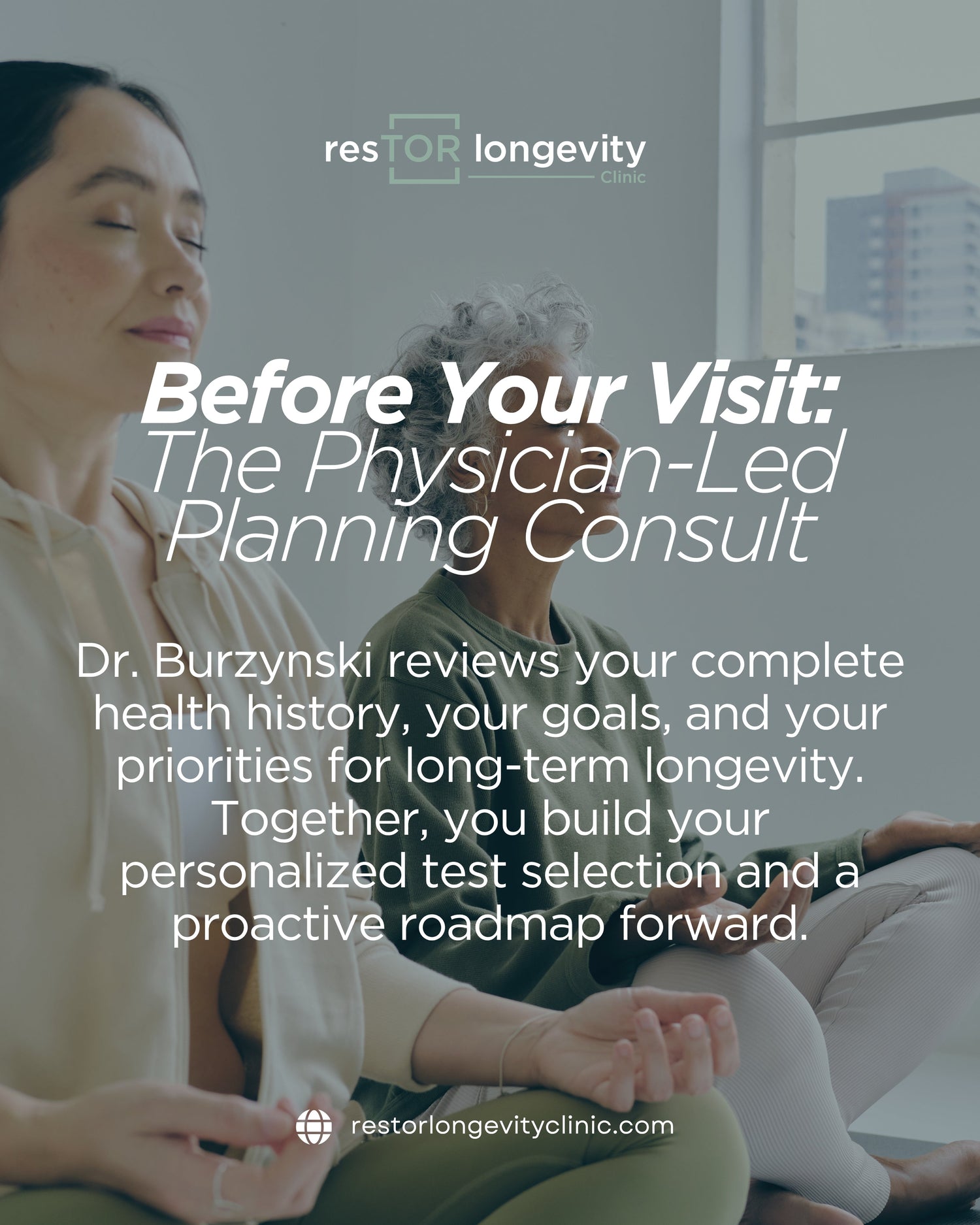
Before any testing begins, patients meet with Dr. Burzynski for a planning consultation. This visit gives the physician and patient time to discuss health history, family history, current symptoms, lifestyle, goals, concerns, and priorities for long-term wellness.
This step is important because no two patients enter longevity care for the same reason. One person may be focused on cardiovascular prevention because heart disease runs in the family. Another may want answers about fatigue, poor sleep, weight changes, hormone shifts, inflammation, or recovery. Someone else may feel healthy but wants a deeper look at what could affect aging, performance, and long-term independence.
The planning consult helps make the assessment more targeted. Instead of choosing tests without context, Dr. Burzynski can help determine which evaluations may be most relevant. It also gives patients a chance to understand what to expect before assessment day, ask questions, and feel more prepared.
“Most patients are not coming in because they want more tests,” says Dr. Gregory Burzynski. “They want clarity. They want to know what their body is showing now and what they can do today to protect their health years from now.”
What Makes Assessment Day Different?
Assessment day is designed to bring important health information together in one organized experience. Traditional care often separates imaging, lab work, cardiovascular testing, body composition, metabolism, hormones, sleep screening, and genetic risk into different appointments. At resTOR, the goal is to create a more complete view of the patient’s health in a streamlined way.
Depending on the patient’s health history and goals, the assessment may include:
- Advanced imaging and cardiovascular evaluation
- Cancer risk screening and genetic insight
- Metabolic testing, hormone review, and detailed blood work
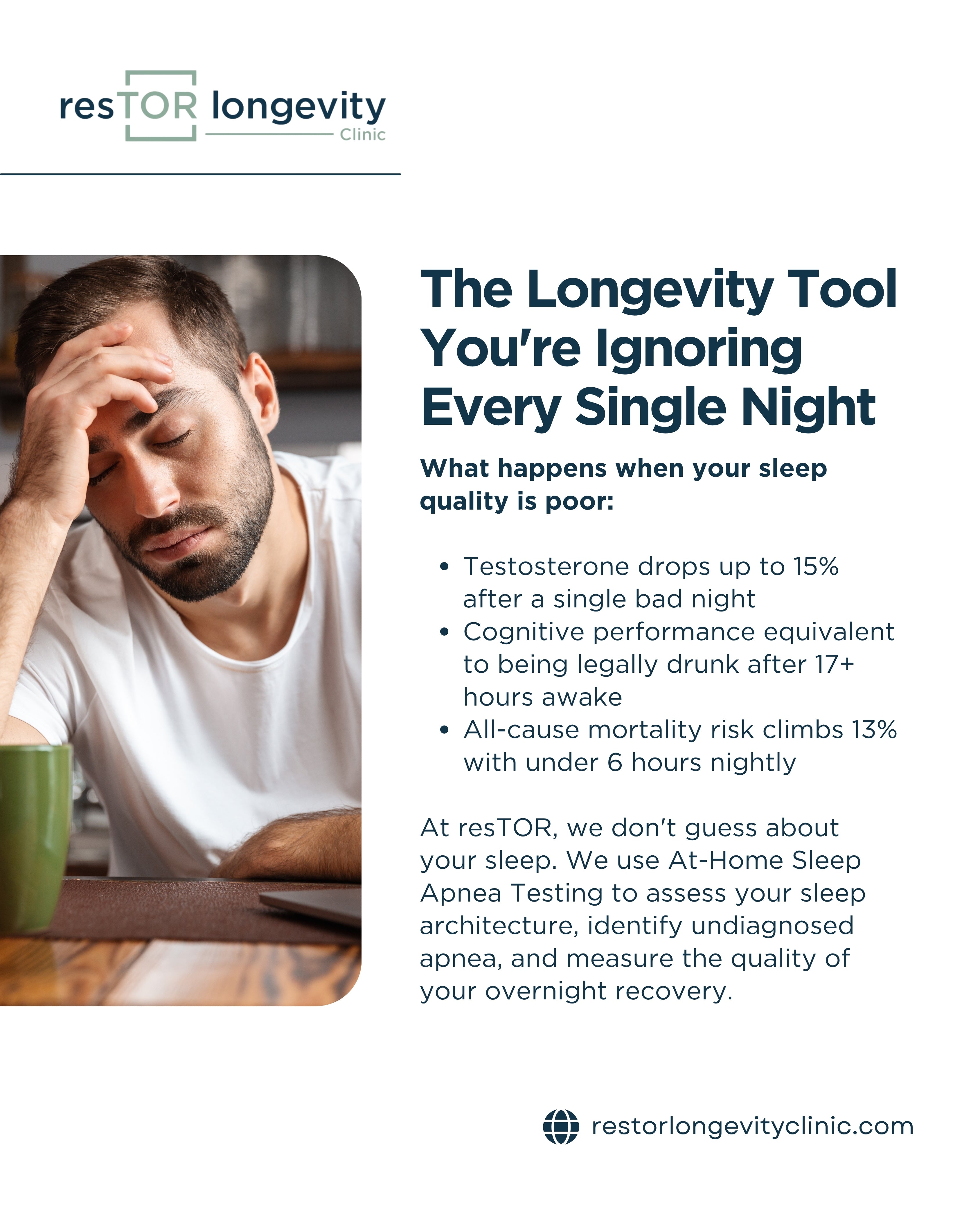
- Body composition analysis, sleep screening, and movement assessment
- Brain health, nutrient status, and other longevity-focused evaluations
Not every patient needs every evaluation. The value comes from selecting tests with purpose and reviewing the results together. This broader view can help reveal patterns that may not be obvious from one lab result alone. Low energy may connect to sleep quality, hormone balance, nutrient status, inflammation, or cardiovascular fitness. Weight changes may involve insulin response, muscle mass, resting metabolic rate, stress, recovery, or gut health.
About four weeks after assessment day, patients meet with Dr. Burzynski for a dedicated results consultation. During this visit, the information is reviewed in a practical way. Patients are not expected to interpret complex reports alone. Instead, the findings are organized into priorities so the next steps feel clear and manageable.
A personalized longevity plan may include nutrition changes, movement recommendations, strength training goals, sleep support, recovery strategies, hormone optimization, cardiovascular follow-up, supplementation, specialist referrals, or additional monitoring when appropriate. The recommendations depend on the results, the patient’s goals, and what is realistic for daily life.
Ongoing Support After the Results Visit
Longevity care should not end when the results are reviewed. Health changes over time, and a plan is most useful when there is room to evaluate progress and adjust focus.
resTOR’s Core Plan includes a year-end physician check-in to review progress and refine direction. The Essential Plan includes a mid-year physician-led check-in, plus ongoing access to the resTOR clinical team for continued guidance throughout the year.
This follow-through helps patients use their results beyond assessment day. For patients in Houston and surrounding Harris County communities, resTOR Longevity Clinic offers a more proactive way to understand health, aging, and long-term risk. If you are ready for a physician-led process that turns advanced testing into a plan you can use, schedule a longevity assessment at resTOR Longevity Clinic today.
Book Your Consultation Now
Published by resTOR Longevity Clinic | Dr. Gregory Burzynski | Serving Houston and Harris County, TX | (832) 968-7531.
Educational purposes. Not medical advice.