Metabolic health is often simplified to calories in versus calories out, but the reality is far more complex. Metabolism is a continuous communication network between the gut, brain, pancreas, and peripheral tissues that determines how efficiently the body manages energy, blood sugar, inflammation, and fat storage. When this communication becomes disrupted, metabolic strain develops, increasing the risk of weight gain, insulin resistance, fatigue, and cardiovascular disease.
At resTOR Longevity Clinic in Houston, Texas, metabolic care is approached as a long-term investment rather than a short-term fix. One of the most effective tools in modern metabolic medicine is GLP-1 therapy, which supports the body’s natural signaling pathways to help restore balance, efficiency, and resilience over time.
GLP-1 and the Gut–Brain–Pancreas Connection
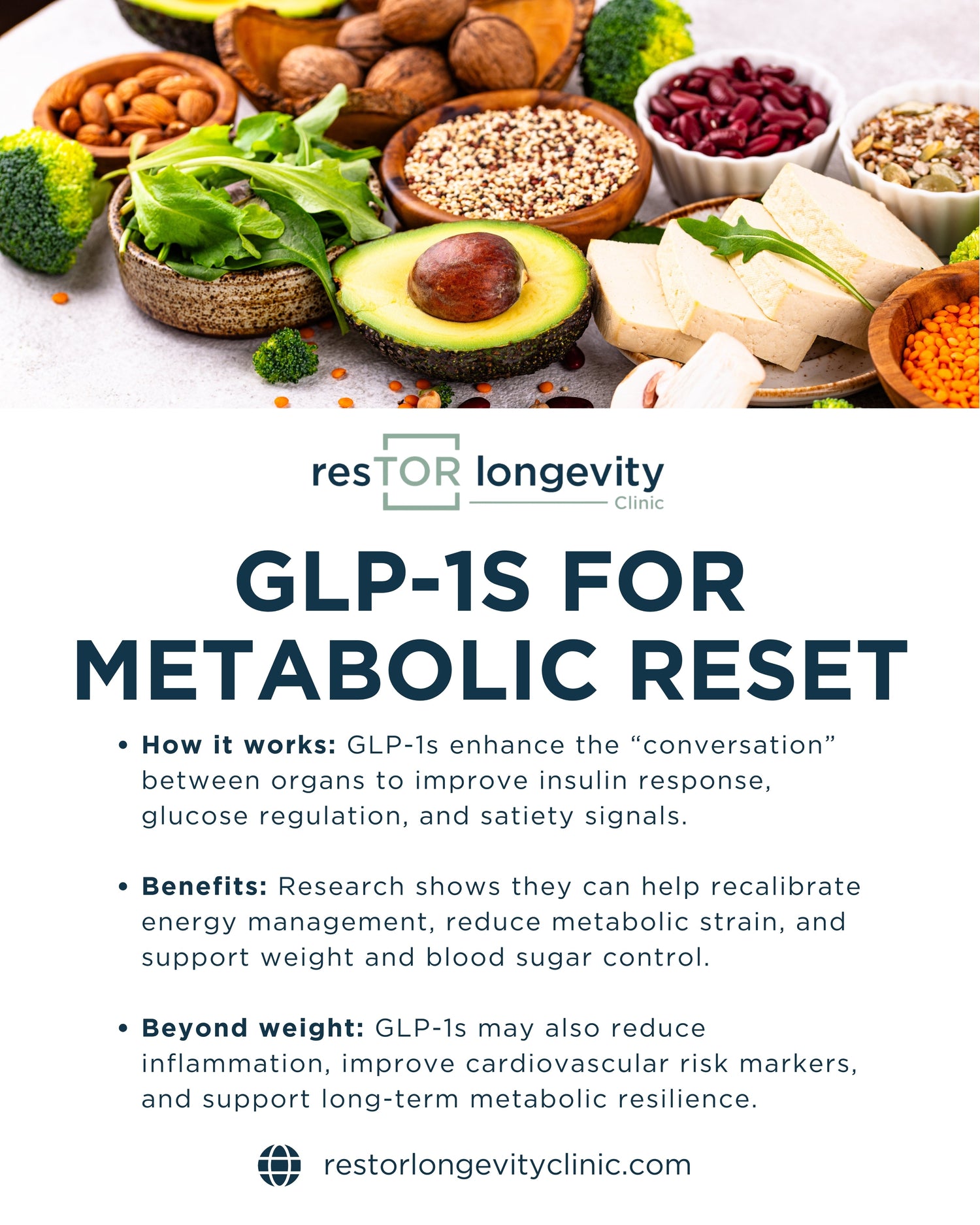
GLP-1, or glucagon-like peptide-1, is a hormone released by the gut in response to food intake. It plays a critical role in regulating insulin secretion, blood sugar levels, appetite signaling, and digestion speed. In a healthy system, GLP-1 helps coordinate how the body processes nutrients and manages energy demands.
GLP-1 therapies are designed to enhance these natural signals. Rather than overriding the body’s physiology, they support clearer communication between organs, allowing metabolic processes to function more predictably and efficiently. This improved signaling helps reduce the metabolic “noise” that often drives overeating, blood sugar instability, and energy crashes.
Why GLP-1 Therapy Matters in Longevity Care
What makes GLP-1 therapy particularly relevant in longevity medicine is its ability to address underlying metabolic dysfunction rather than simply suppress appetite. Poor metabolic signaling contributes to chronic inflammation, accelerated aging, and reduced recovery capacity. By improving how organs coordinate energy use and storage, GLP-1 therapy helps reduce long-term metabolic stress.
In longevity care, the goal is not rapid weight loss or short-lived results. The focus is on supporting metabolic systems that influence cardiovascular health, cognitive performance, mobility, and overall healthspan as the body ages.
How Do GLP-1s Support Metabolic Health?
GLP-1 therapies work through multiple interconnected pathways. One of their primary effects is improving insulin sensitivity, allowing glucose to move more efficiently from the bloodstream into cells. This helps stabilize blood sugar levels and reduces the workload placed on the pancreas.
GLP-1s also influence satiety signals in the brain. By slowing gastric emptying and enhancing feelings of fullness, they help regulate hunger cues without forcing extreme dietary restriction. Many individuals experience improved appetite awareness and more consistent energy levels as metabolic signaling stabilizes.
Additional metabolic benefits may include:
• Improved glucose regulation and insulin response
• Reduced metabolic and systemic inflammation
• Support for sustainable weight management
• Lower strain on cardiovascular and metabolic systems
Rather than pushing the body harder, GLP-1 therapy supports smarter, more efficient metabolic function.
Metabolic Benefits Beyond Weight Management
Although GLP-1 therapies are often associated with weight management, their impact reaches far beyond the scale. By improving how the body processes glucose and responds to insulin, GLP-1 therapy supports more efficient metabolic function that can influence multiple systems tied to long-term health.
Potential benefits may include:
• Support for healthier cardiovascular risk markers, including blood pressure and lipid profiles
• Reduced metabolic and systemic inflammation linked to accelerated aging
• More stable energy levels and improved recovery capacity
• Improved metabolic efficiency that supports long-term resilience
Chronic metabolic dysfunction is closely tied to inflammation, contributing to fatigue, slower recovery, and increased disease risk. By improving glucose handling and reducing insulin resistance, GLP-1 therapy may help lower this inflammatory burden over time.
At resTOR, GLP-1 therapy is evaluated as part of a comprehensive longevity strategy focused on metabolic performance, cardiovascular health, energy levels, and long-term resilience rather than cosmetic or trend-driven goals.
As Dr. Gregory Burzynski explains, “GLP-1 therapy helps restore healthier metabolic signaling rather than fighting the body’s biology. When those signals improve, patients often feel more in control of their energy, appetite, and long-term health.”
Integrating GLP-1 Therapy Into Longevity Medicine
Longevity medicine focuses on stacking small, meaningful improvements that compound over time. GLP-1 therapy is most effective when paired with foundational habits such as balanced nutrition, consistent movement, quality sleep, and stress regulation.
At resTOR Longevity Clinic, patients undergo thorough medical evaluations before starting GLP-1 therapy. This includes reviewing metabolic markers, health history, current medications, and individual goals. Treatment plans are tailored to support safety, effectiveness, and sustainability rather than rapid or extreme outcomes.
Ongoing monitoring allows therapy to evolve as metabolic health improves. Adjustments are made thoughtfully to ensure progress remains aligned with the body’s changing needs.
Who May Benefit From GLP-1 Therapy?
GLP-1 therapy may be appropriate for adults experiencing signs of metabolic strain, including difficulty managing weight, elevated blood sugar, insulin resistance, or persistent fatigue despite healthy habits. Others may explore GLP-1s as part of proactive metabolic optimization under medical supervision.
Because metabolism is deeply individual, GLP-1 therapy is never prescribed in isolation. It is integrated into a personalized care plan designed to support long-term healthspan rather than short-term change.
Building Long-Term Metabolic Resilience
GLP-1 therapies represent a shift in how metabolic health is understood and treated. By improving communication between the gut, brain, and pancreas, they help reduce metabolic strain and support greater resilience as the body ages.
Metabolic care at resTOR Longevity Clinic, Houston, Texas focuses on building a healthier internal environment that supports energy, balance, and long-term health. For individuals exploring whether GLP-1 therapy aligns with their metabolic or longevity goals, a consultation with Dr. Gregory Burzynski provides informed, personalized guidance.