When Clean Eating Isn’t Enough: Understanding Your Gut Health
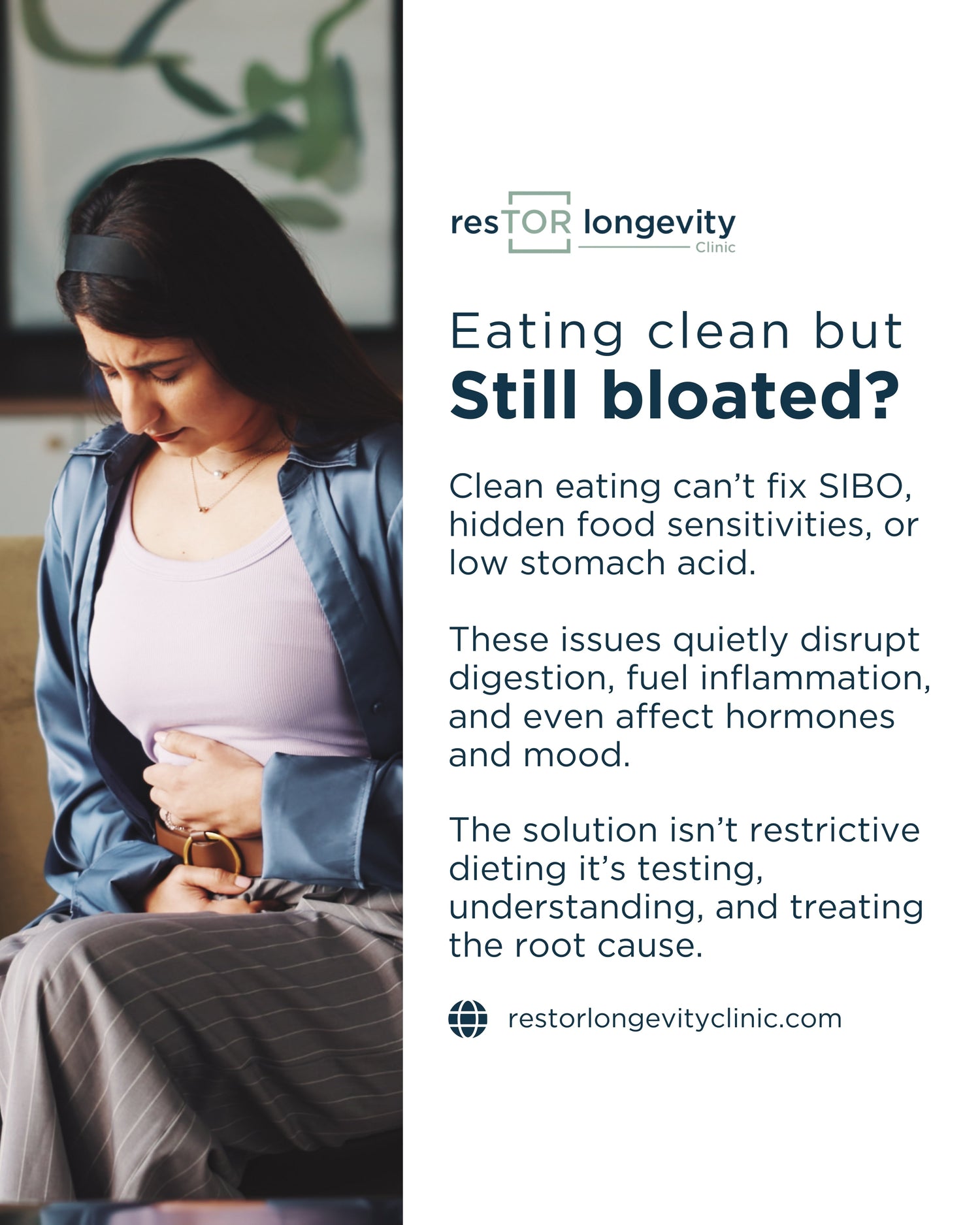
You’re eating “clean,” choosing fresh vegetables, lean proteins, and whole grains—but somehow, your stomach still feels bloated, gassy, or uncomfortable. You might think this is just normal digestion. The truth? It’s often a sign that your gut needs deeper investigation.
At resTOR Longevity Clinic in Houston, Texas, Dr. Gregory Burzynski emphasizes that gut health goes far beyond diet. While nutritious foods are important, they can’t fully compensate for underlying digestive issues like small intestinal bacterial overgrowth (SIBO), hidden food sensitivities, or low stomach acid. These conditions quietly disrupt digestion, fuel systemic inflammation, and even affect hormones, energy levels, and mood.
Bloating Isn’t Just About What You Eat
It’s a common misconception that bloating is simply caused by “bad” foods or overeating. In reality, it’s often about what your body can’t process properly.
When meals sit too long in the digestive tract, ferment, or trigger immune reactions, inflammation builds up. This can happen even if your plate is full of vegetables, lean proteins, and whole grains. Over time, chronic gut dysfunction can contribute to fatigue, irritability, and even weight fluctuations.
Many people assume bloating is a normal part of life, but persistent digestive discomfort is usually a signal from the body asking for attention. Listening to these signals and addressing them early can prevent more serious issues later.
Why Restrictive Diets Aren’t the Answer
Many people respond to bloating by cutting out entire food groups or following trendy diets. While this might provide short-term relief, it rarely solves the underlying problem. Restrictive diets can actually worsen nutrient deficiencies and further disrupt the delicate balance of your gut microbiome.
At resTOR Longevity Clinic, the approach is different. Instead of guessing which foods to eliminate, Dr. Burzynski and the team use comprehensive testing to uncover the root cause of digestive discomfort. This can include evaluating for SIBO, assessing stomach acid levels, identifying food sensitivities, or checking for microbial imbalances.
Understanding the cause allows for a targeted, personalized plan that restores digestive function, reduces inflammation, and improves overall wellness—without unnecessary restrictions.
Testing: The Key to Unlocking Your Digestive Health
Advanced gut testing is central to modern functional medicine. It helps uncover hidden imbalances that standard blood tests or symptom tracking might miss.
Common issues detected through testing at resTOR Longevity Clinic may include:
- SIBO (Small Intestinal Bacterial Overgrowth): Excess bacteria in the small intestine can cause bloating, gas, and nutrient malabsorption.
- Low stomach acid: Without enough acid, protein digestion suffers, and harmful bacteria may thrive.
- Food sensitivities or intolerances: These can trigger immune reactions that inflame the gut lining.
- Imbalanced microbiome: A disrupted balance of “good” and “bad” bacteria can affect digestion, immunity, and even mood.
Identifying these root causes is the first step toward lasting relief. Once the issue is understood, individualized treatment—including dietary guidance, targeted supplements, and lifestyle strategies—can restore gut function and overall health.
The Mind-Gut Connection
Gut health isn’t just about digestion—it’s deeply connected to your brain and emotional wellness. Chronic inflammation or microbial imbalances in the gut can influence neurotransmitters, leading to symptoms like anxiety, irritability, or brain fog.
By addressing the root causes of digestive issues, patients often notice improvements in energy, focus, and mood, in addition to reduced bloating. This holistic approach reflects the philosophy at resTOR Longevity Clinic, where optimal health is about more than treating symptoms—it’s about restoring the body’s natural balance from the inside out.
Lifestyle Habits That Support Gut Health
Alongside personalized testing and treatment, certain daily habits can help maintain a healthy gut:
- Mindful eating: Chew thoroughly and eat without distractions to support digestion.
- Adequate hydration: Water aids nutrient absorption and helps move food efficiently through the digestive tract.
- Balanced nutrition: Include fiber, fermented foods, and high-quality protein to nourish both your gut and microbiome.
- Stress management: Chronic stress can alter gut motility and microbial balance. Mindfulness practices, light exercise, or meditation can help.
- Regular movement: Exercise supports digestion and circulation, while also helping to reduce systemic inflammation.
When combined with targeted testing and treatment, these habits create the foundation for long-term gut health and overall wellness.
Take Control of Your Digestive Health
If you’re frustrated by bloating, gas, or digestive discomfort despite eating clean, it’s time to look deeper. The solution isn’t restrictive dieting—it’s understanding and treating the root cause.
At resTOR Longevity Clinic in Houston, Dr. Gregory Burzynski and his team guide patients through a comprehensive, personalized approach to gut health. Through advanced testing, lifestyle strategies, and functional medicine insights, patients can restore digestion, reduce inflammation, and improve overall health.