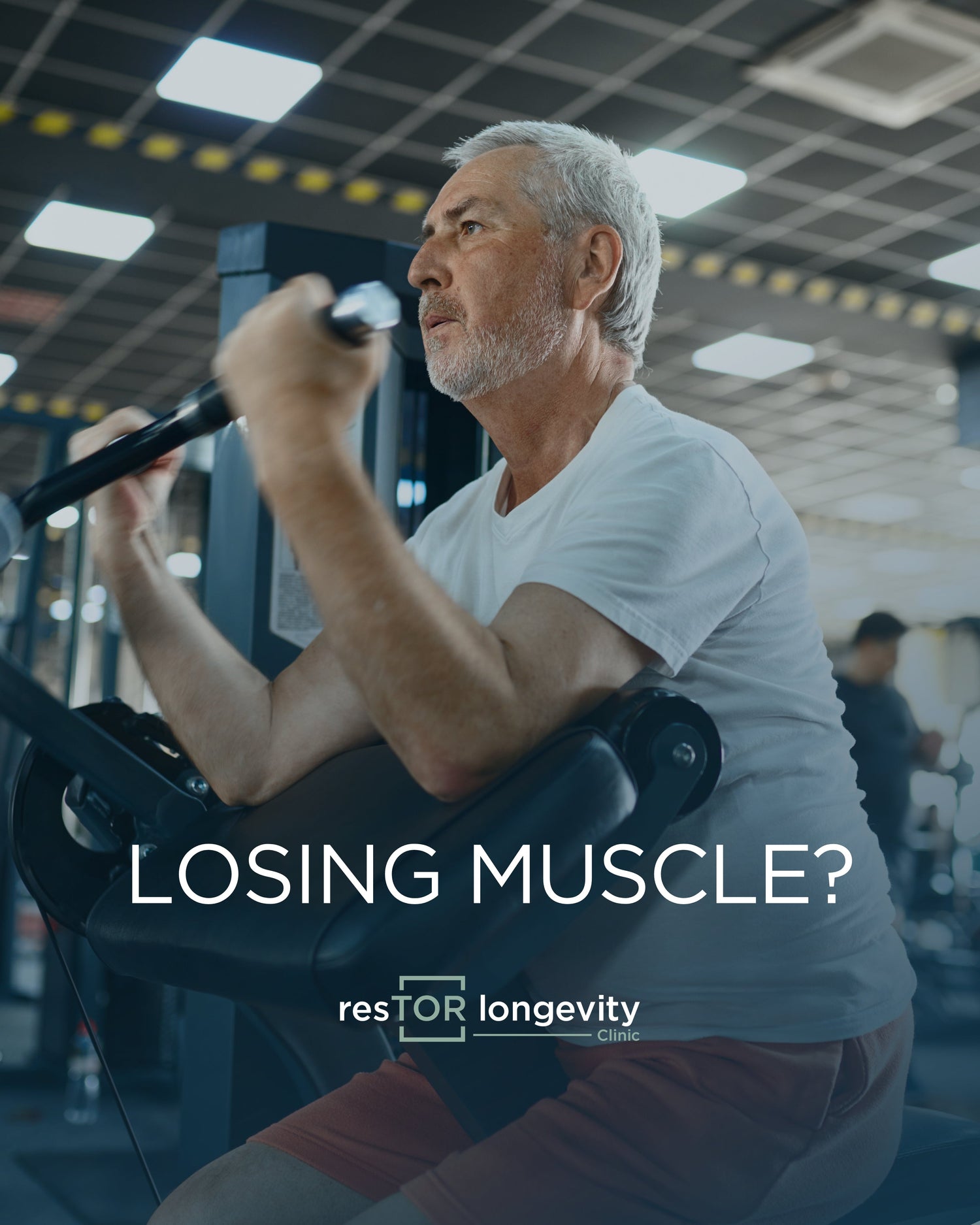
Most people think aging is about wrinkles, gray hair, or hormone shifts. While those changes are visible, the real story of aging happens much deeper—inside your muscles, bones, and metabolism. After age 40, muscle becomes the strongest predictor of how long you stay mobile, independent, and fully alive.
At resTOR Longevity Clinic in Houston, Texas, Dr. Gregory Burzynski emphasizes that muscle isn’t just about aesthetics. It’s metabolic tissue—critical for every system in your body. Maintaining muscle mass and strength is one of the most effective ways to protect your long-term health.
Muscle: More Than Looks
Muscle is your body’s engine. It:
- Stabilizes blood sugar and insulin levels, supporting metabolic health.
- Strengthens bones, reducing fracture risk.
- Protects joints and connective tissue.
- Enhances recovery after injuries or illness.
- Keeps your brain and nervous system resilient.
When muscle declines, every aspect of health becomes more fragile. Balance is harder to maintain, immune function weakens, metabolism slows, and cognitive performance can be affected. These changes explain why falls become more dangerous, injuries take longer to heal, and daily tasks feel increasingly strenuous.
Loss of muscle doesn't have to be inevitable. It’s largely preventable with consistent strength-focused routines, proper nutrition, and regular health assessments.
Why Strength Training Matters
Strength training is often seen as optional or cosmetic, but after 40, it’s essential for longevity. Resistance exercise:
- Preserves lean muscle mass.
- Increases bone density and reduces osteoporosis risk.
- Supports joint stability and mobility.
- Boosts metabolism and helps manage weight.
- Improves mood, cognition, and energy levels.
Even moderate, consistent strength work—two to three sessions per week—can protect independence for decades. At resTOR Longevity Clinic, Dr. Gregory Burzynski and his team help patients develop individualized exercise strategies that fit their lifestyle, goals, and health status.
Nutrition That Supports Muscle
Maintaining muscle isn’t just about lifting weights—it’s also about what you eat. Adequate protein intake, healthy fats, and micronutrients like vitamin D, magnesium, and calcium all support muscle and bone health.
Protein timing and quality can make a difference, especially as metabolism shifts with age. Coupling proper nutrition with strength exercise maximizes the benefits, helping your body maintain resilience and recovery capacity.
At resTOR Longevity Clinic, Dr. Gregory Burzynski's holistic approach helps patients combine nutrition, movement, and metabolic monitoring to preserve muscle and support overall vitality.
Balance and Functional Strength
Beyond size or appearance, functional strength—how well your muscles perform in everyday tasks—is critical. Strength enables you to:
- Carry groceries and lift children or grandchildren safely.
- Climb stairs without fatigue.
- Maintain balance to prevent falls.
- Recover more quickly from illness or surgery.
Functional strength reduces the risk of accidents and supports independence, which is a cornerstone of healthy aging. This is why resTOR Longevity Clinic incorporates movement assessments and strength evaluations into personalized wellness plans.
Muscle and Cognitive Health
Muscle isn’t just physical—it also supports brain health. Studies show that strength and resistance training:
- Improve memory and cognitive function.
- Reduce inflammation that can affect the brain.
- Support healthy hormonal signaling critical for mood and focus.
Maintaining muscle mass keeps your body and mind resilient, making everyday life easier and more vibrant. Dr. Gregory Burzynski highlights that protecting muscle is a direct investment in both physical and cognitive longevity.
Recovery and Injury Prevention
Aging doesn’t just affect strength—it changes how your body recovers. Recovery time naturally slows as we get older, making injury prevention and repair more important than ever. Strong muscles act like built-in shock absorbers, protecting joints, ligaments, and bones from daily wear and tear.
Incorporating proper warm-ups, mobility work, and targeted strengthening exercises helps prevent strains and overuse injuries. Adequate rest, hydration, and nutrient-rich foods also support recovery at a cellular level.
Prioritizing recovery is not a luxury—it’s part of maintaining independence and long-term vitality. People who combine strength training with smart recovery strategies often enjoy fewer injuries, faster healing, and sustained performance as they age.
Start Protecting Your Muscle Today
It’s never too early—or too late—to prioritize muscle health. Simple steps include:
- Strength Training: Commit to resistance exercises at least 2–3 times per week.
- Balanced Nutrition: Ensure adequate protein, healthy fats, and key vitamins.
- Lifestyle Support: Manage stress, sleep well, and stay hydrated.
- Recovery Practices: Include stretching, mobility work, and rest days.
- Regular Assessments: Check muscle, metabolic, and bone health with expert guidance.
At resTOR Longevity Clinic, Dr. Gregory Burzynski helps patients understand their current muscle health, evaluate metabolic risk factors, and design a personalized plan to preserve strength, mobility, and independence well into later decades.
Your muscles are more than tissue—they are longevity itself. By prioritizing strength, nutrition, recovery, and functional movement, you’re not just adding years to your life—you’re adding life to your years.