Advanced Blood Panel Testing for Preventive Health in Houston
Routine annual labs can identify obvious concerns like high cholesterol or elevated blood sugar, but they often provide only a limited view of long-term health risks. Modern preventive medicine focuses on identifying subtle biological changes that may appear years before symptoms develop.
At resTOR Longevity Clinic in Houston, Texas, advanced blood testing evaluates a broader range of biomarkers related to cardiometabolic health, inflammation, and nutrient status. Led by Dr. Gregory Burzynski, this deeper analysis helps provide clearer insight into how the body is functioning and where proactive adjustments may support long-term wellness.
What Makes Advanced Blood Panels Different?
Traditional laboratory testing is typically designed to identify disease once it reaches a certain threshold. While this approach is useful for diagnosing medical conditions, it may overlook early biological trends that could signal future risk.
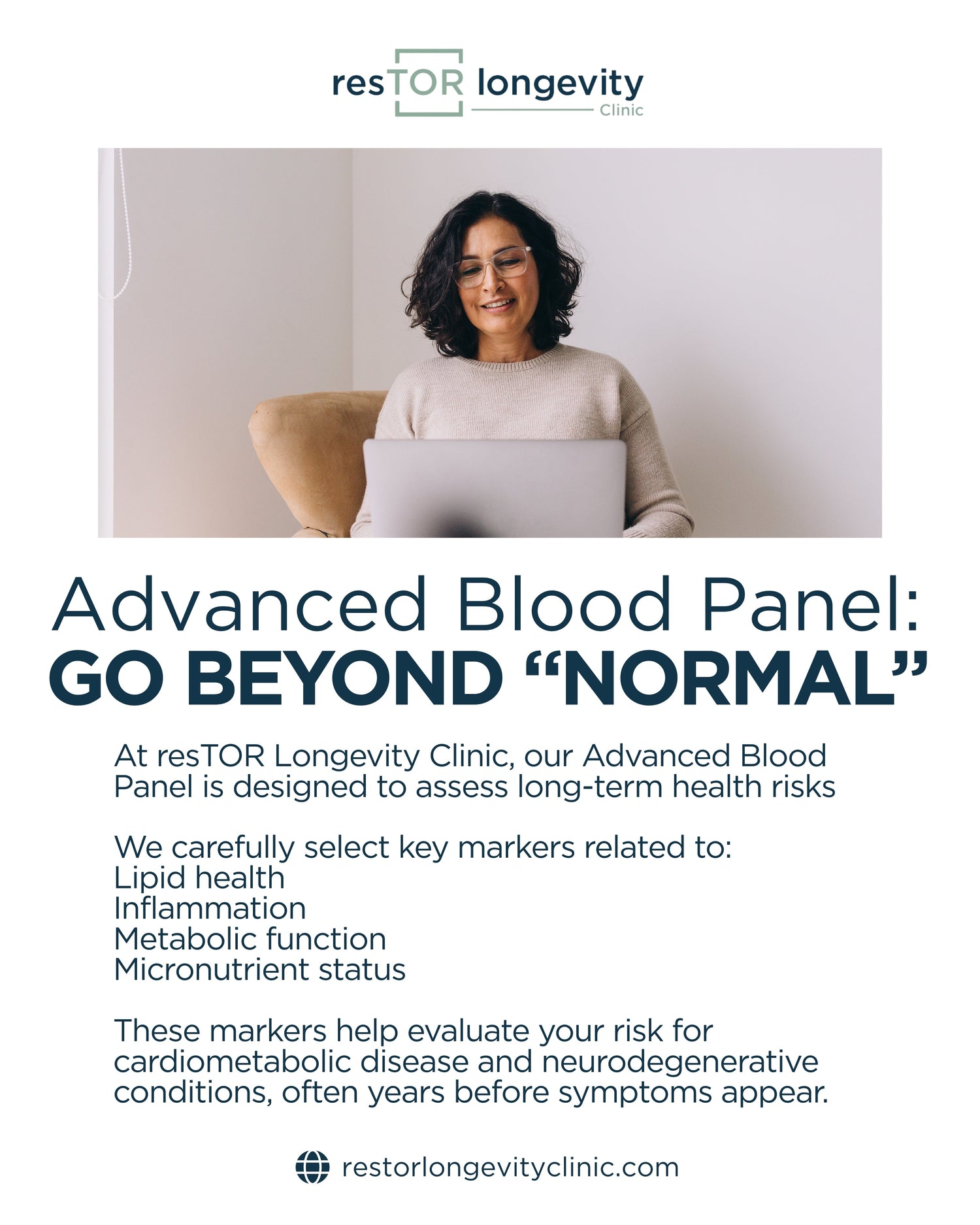
Advanced blood panels expand the scope of testing to evaluate markers linked to inflammation, metabolic performance, and nutrient balance. These insights help reveal patterns that may influence cardiovascular health, brain health, and metabolic function over time.
Dr. Gregory Burzynski explains that deeper biomarker analysis allows individuals to move from reactive healthcare toward proactive health management.
“Advanced lab testing helps us see patterns that standard panels often miss,” says Dr. Gregory Burzynski. “When we evaluate a broader set of markers, we can help people better understand how their bodies are functioning and where preventive strategies may support long-term health.”
Instead of focusing only on whether numbers fall within a general reference range, advanced testing considers how biomarkers interact and what they may indicate about overall physiological performance.
Lipid Health and Cardiovascular Risk
Cardiovascular disease remains one of the leading health concerns worldwide. Lipid markers provide important insight into how fats are transported and processed in the bloodstream.
Advanced lipid testing can offer a more detailed view of cardiovascular health by examining multiple aspects of cholesterol and lipid metabolism. These markers may help identify patterns associated with arterial health and long-term cardiovascular risk.
Monitoring lipid-related biomarkers may help support:
- Better understanding of cholesterol transport patterns
- Early awareness of cardiovascular risk trends
- Guidance for nutrition and lifestyle adjustments
- Long-term heart health strategies
By evaluating lipid markers in greater detail, individuals may gain clearer insight into how lifestyle habits influence cardiovascular health.
Inflammation and Metabolic Function
Inflammation is a natural part of the body’s immune response, but chronic low-level inflammation has been linked to many long-term health concerns.
Advanced blood panels, at resTOR Longevity, often include markers associated with systemic inflammation and metabolic regulation. These signals can provide insight into how the body processes energy, regulates blood sugar, and responds to environmental stressors.
Important metabolic indicators may help assess:
- Blood sugar balance and insulin sensitivity
- Inflammatory patterns associated with chronic disease risk
- Energy metabolism and cellular function
- Overall metabolic resilience
Understanding these trends allows individuals to make informed decisions about nutrition, physical activity, and other lifestyle habits that influence metabolic health.
Micronutrient Status and Nutritional Balance
Even individuals who follow balanced diets may experience nutrient imbalances. Micronutrients such as vitamins, minerals, and antioxidants play critical roles in immune function, brain health, energy production, and tissue repair.
Advanced laboratory analysis can help identify deficiencies or imbalances that may affect overall wellness. Addressing these issues may support improved energy levels, cognitive performance, and metabolic function.
Micronutrient testing may provide insight into:
- Vitamin and mineral levels that support cellular health
- Nutrient patterns related to energy production
- Antioxidant support for immune function
- Areas where targeted supplementation may be beneficial
These insights allow nutritional strategies to be guided by objective data rather than general assumptions.
Why Combine Bloodwork With Other Diagnostics?
While advanced blood testing provides valuable information, it represents only one piece of the longevity puzzle. A complete preventive health evaluation often includes multiple forms of assessment that work together to provide a comprehensive view of health.
At resTOR Longevity Clinic in Houston, Texas, bloodwork results are often interpreted alongside additional diagnostic tools that provide deeper insight into overall health patterns.
These may include:
- Genetic insights that reveal inherited health patterns
- Advanced imaging that evaluates internal structures and body composition
- Physical performance testing that measures strength, endurance, and metabolic capacity
Combining these data points helps create a more complete understanding of how lifestyle habits, biology, and environment influence long-term health outcomes.
Moving Beyond “Normal” Lab Results
Many individuals assume that if their routine lab results fall within a normal reference range, their health risks are minimal. However, longevity-focused medicine often looks beyond these basic thresholds to evaluate broader patterns in physiology.
By identifying early trends in metabolic markers, inflammation, and nutrient status, individuals may be able to make meaningful adjustments before more serious concerns develop.
At resTOR Longevity Clinic in Houston, Texas, Dr. Gregory Burzynski works with individuals to interpret advanced diagnostic data and develop strategies that support long-term vitality and preventive health planning.
For those interested in a deeper understanding of their health, scheduling a consultation at resTOR Longevity Clinic can be an important step toward.
Book Your Consultation
Educational purposes only. Not medical advice.